The John Snow Pub
While in London (UK) last week, I went with a group of people to the John Snow pub. It's a bit of an epidemiologist pilgrimage, where you can sit in a pub named after one of the "fathers of epidemiology" and sign the guest book.
John Snow was a physician in London in the mid-1800's. Cholera outbreaks were a problem in Victorian London because of contaminated communal wells (for drinking water). Unlike many others, Snow did not believe in the miasma theory, which stated that noxious vapours in the air were the cause of many illnesses. While the "germ theory" of disease was not yet on the scene, Snow thought there must be some other way that diseases like cholera were transmitted, and he suspected (correctly) that the water supply was the problem.
During a cholera outbreak in 1854, he determined that a well in central London (Broad St, now Broadwick St) was a major source of the disease. Removing the handle from the pump (so that people could no longer use the well) stopped the outbreak. Although Snow himself suggested that the outbreak was already in decline, removing that source undoubtedly played a large role in saving many lives. Back then (and even still commonly today), getting people to accept and adhere to infection control measures was not easy. After the outbreak ended, public officials fixed the pump, despite the fact that it was clearly associated with the outbreak. In hindsight, it's not surprising that this well was associated with disease, since it was shallow and very close to a cesspool.
The John Snow pub is located at the original site of the Broad Street pump. You can see the location of the original pump from the window of the pub (there's a replica pump there and a marking on the ground at the exact site of the original pump). So, you can visit the source of a great cholera outbreak, peer out at the simple solution that helped stop it, and have a drink in the pub named after John Snow - something that's more than a little ironic, since Snow was also famous as a teetotaler.
Bali rabies situation not improving
A rabies epidemic continues in Bali, with little apparent control and inadequate access to vaccination. Another person died of rabies last week. He was bitten by a dog in July and taken to a local health centre, but rabies vaccine was not administered. It's not clear whether healthcare providers recommended post-exposure vaccination and the person declined or whether they did not offer vaccination.
Access to post-exposure treatment in such regions is a serous concern. Apparently, up to 50 people a day are denied potentially life-saving post-exposure treatment because of a lack of adequate vaccine supplies. Because of the limited availability, doctors are focusing on treatment of people bitten by dogs in areas that are heavily infected with rabies. That makes complete sense, but it's still not a good situation. It's not only those heavily infected areas that are a concern. More rabies vaccine needs to be secured so that everyone who has been potentially exposed can be properly treated. Local officials are blaming the current shortage on a holiday weekend, but it's unclear whether the situation is truly going to improve in the near future.
People traveling to any part of Bali need to be aware of the risks. You don't need to cancel your vacation, just use common sense. Don't approach any dogs or other mammalian pets or wildlife. If you are bitten, immediately go a physician. If rabies vaccination is not offered, ask for it. If it's not given, get on the next plane out of the country and get treated. You don't need to be vaccinated immediately after exposure, so don't panic, but you don't want to unnecessarily increase the risks if you have been bitten.
MRSA outbreak in Dutch horses
At the ongoing ASM-ESCMID conference on methicillin resistant staphylococci in animals, Dr. Engeline van Duijkeren of Utrecht University (The Netherlands) presented a study on an outbreak of methicillin-resistant Staphylococcus aureus (MRSA) in their equine hospital.
From 2006-2008, several horses that underwent surgery at their hospital developed MRSA infections. MRSA was also isolated from some healthy horses and personnel at the clinic. Early in the process, the hospital was closed for a thorough disinfection and the outbreak stopped, however another outbreak occurred later. Further study again found people in the clinic that were MRSA carriers. Close to 15% of people in the hospital who handled equine patients were MRSA carriers, which is really astounding when you consider that less than 0.1% of the general population in the Netherlands carries MRSA. When they started testing horses coming into the clinic, they found that 9.3% of horses were carriers when they arrived. Weekly sampling of all hospitalized horses over a five-week period determined that 43% of all horses in the hospital carried MRSA at one point or another during their stay. Additionally, 53% of environmental surface samples were positive for MRSA, which is really not surprising if that many people and horses are carriers.
If horses keep coming into a facility carrying MRSA and people keep getting colonized, MRSA is hard to control. These experiences led the equine hospital at Utrecht to implement more stringent infection control practices to try to contain the problem, but the high MRSA rate in their referral population is going to pose a continual risk.
MRSA outbreaks in horses aren’t new. They’ve been reported by a few hospitals (including ours) and occur in many, many, (many!) more without ever being published. Since MRSA is present in the horse population, equine hospitals are at continual risk of MRSA outbreaks. If a large percentage of horses in the general population are carriers, the risk of outbreaks is higher.
MRSA is clearly a problem in horses in many areas. It’s important to realize that it’s a problem in the general population, not just horses in hospitals. Equine hospitals can amplify the spread of MRSA, but ultimately a lot (if not most) MRSA-positive horses originate from farms, not clinics or hospitals. Equine hospitals need solid infection control programs to reduce the risk of outbreaks, but the risk will never be completely eliminated. Farms need good infection control programs to reduce the risk of spread of MRSA between horses and between farms, as well as from horses to people (and back). Antibiotics need to be used prudently since antibiotic use is a risk factor for MRSA carriage and infection.
More information about MRSA in horses can be found on the equIDblog Resources page.
This Worms & Germs blog entry was originally posted on equIDblog on 26-Sep-09.
Vancouver petting zoo outbreak numbers climb
Five more E. coli O157 infections have been linked to the Pacific National Exhibition's petting zoo, bringing the total to 18. It's very likely that the true number of infected people is higher, since mild cases are often missed because they don't go to the doctor or because testing is not performed. This situation follows a very large outbreak linked to a UK public farm and closure of some other UK petting zoos because of E. coli O157. Clearly, more effort needs to be put into proper management of these events, design of petting zoo facilities, scrutiny of animals and education of the public about infection control practices. Petting zoos shouldn't be banned, but they should be regulated and run responsibly. .jpg)
Good drugs in Saskatoon
More from the ASM-ESCMID MRSA in animals meeting…
Dr. Joe Rubin presented some data on antibiotic resistance in Staphylococcus aureus bacteria from dogs and people in Saskatoon, Saskatchewan (Canada). The bacterial isolates came from dogs carrying S. aureus and from dogs infected with MRSA. When you look at the resistance patterns of the S. aureus isolates from the carrier dogs (these are an indicator of what’s around in the general population, and they can cause infections given the right circumstance), resistance was uncommon. Multidrug resistance was present in the methicillin-resistant S. aureus (MRSA) isolates, as expected.
Saskatoon’s an interesting area in terms of resistant bacteria. Various studies from the University of Saskatchewan have reported very low antibiotic resistance rates in bacteria from animals. Certainly, they have some problems like everywhere else, but I find some of their data quite remarkable. They can have a lot more confidence in the use of various first-line antibiotics compared to other regions where resistance is more common and drug options are more limited. I’m not really sure why this is the case.
- Maybe it has to do with the fact that there is less animal movement between Saskatchewan and other regions where there are more resistance problems.
- Maybe the low population density in Saskatchewan plays a role.
- Maybe multidrug resistant bacteria don’t like the frigid Saskatchewan winter (or the fact that there’s no NHL team in the province).
- Maybe they use antibiotics in animals in a much more controlled manner.
Trying to figure out why resistance rates in Saskatchewan tend to be lower would be useful because it might provide some information about how to reduce the risks in other regions.
So, if you’re in Saskatoon and your pet gets an infection, take some consolation in the fact that there’s probably a lower risk that you’re dealing with a resistant bacterium and that your first-line antibiotics will probably work.
MRSA prognosis in dogs
People sometimes panic after they hear that their pet has been diagnosed with an MRSA infection. ("Dr. Google" doesn’t help because if you search "MRSA" you can come up with a lot of scary information). However, it’s very important to understand that just because MRSA is involved, it does not mean that an animal (or person) has an untreatable infection. In fact, there are typically at least a couple of different treatment options available. That’s not to say that MRSA infections are of no concern, because they certainly are, but you have to maintain some balance.
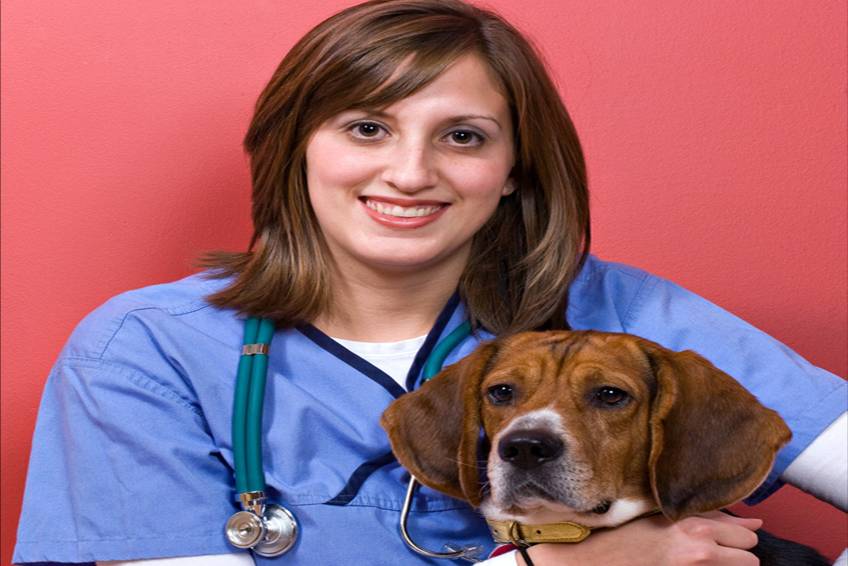
Two studies presented at the ASM-ESCMID conference on methicillin-resistant staphylococci in animals re-inforce this. Dr. Andy Hillier from The Ohio State University presented a small study looking at 11 dogs with MRSA infections, including skin infections, surgical site infections, soft tissue infections and an ear infection. One dog was euthanized before treatment was started. All of the other 10 dogs survived. Aggressive treatment was needed in some cases, including some that required surgery to remove surgical implants or severely infected tissue. Still, they survived.
Similar results were presented by Dr. Meredith Faires from the University of Guelph. As part of one study, she reported survival of 42/45 (93%) of dogs with MRSA infections. A large percentage of dogs in that study had MRSA skin infections, which would not typically be expected to cause death, so it’s important to consider what types of infections are involved. Studies of invasive infections (e.g. infections of deeper tissues, infections of the bloodstream) presumably carry a much worse prognosis.
Regardless, these two studies provide more evidence that while MRSA can be bad, it’s not automatically a death sentence. With prompt diagnosis and proper treatment, a large percentage of infected dogs (and presumably cats as well) will survive. Prompt diagnosis and proper treatment are the key.
Live from London: MRSA in Ohio
I'm in London (UK) for the ASM-ESCMID conference on methicillin-resistant staphylococci in animals: veterinary and public health consequences. I’ll provide various updates on interesting presentations over the next few days.
Dr. Armando Hoet from the Ohio State University (OSU) presented data on MRSA screening of dogs admitted to the OSU Veterinary Teaching Hospital. They sampled a subset of dogs admitted to the hospital every month over the course of a year.
- 5.7% of the dogs were identified as MRSA carriers. That’s a pretty impressive (and concerning) number. We know that a small percentage of dogs and cats in the general population are positive, but I’ve generally assumed the rate of carriage to be around 1-4%. However, you have to consider the study population whenever you look at numbers like this. Sixty-eight percent of the positive dogs were referral cases, meaning they had had previous contact with the veterinary healthcare system, may have been treated previously with antibiotics and may have had other diseases that increased the risk of MRSA.
- Ownership by people in the human or veterinary healthcare fields were risk factors for infection. This is not very surprising since such owners would be more likely to pick up MRSA at work and bring it home to infect their pets.
Hopefully the true percentage of dogs in Ohio carrying MRSA is lower than this. Presumably, the rate of MRSA carriage by healthy dogs that are not owned by high-risk people is quite a bit lower. Regardless, it shows that MRSA can be found in a reasonable percentage of animals in the study area (as well as presumably other areas) and that good infection control practices are needed in veterinary hospitals to reduce the risk of transmission.
More information about MRSA can be found in on the Worms & Germs Resources page.
Fergus Fall Fair folly
Considering all of the disease outbreaks that have been attributed to petting zoos, including an outbreak in the UK this month that has sickened dozens and another in Vancouver that has affected at least 13 people, you would think that people who operate petting zoos would start to take the hint. Unfortunately, that's clearly not the case.
My family and I went to the Fergus [Ontario] Fall Fair today. Apart from the petting zoos, it was a great day, but the potential for ending up in hospital with a life-threatening infection shouldn't have to be a concern for fair attendees.
This fair had two petting zoos. One was also associated with a pony ride. We went there first and while my kids were looking at the animals, I noticed there was a table and a sign saying to use a hand sanitizer after touching the animals, but there were not actually any hand sanitizers available. I asked the attendant and he immediately started looking. They eventually found some, but we gave up after waiting a few minutes and went to the other petting zoo location because a handwashing station was set up there. Despite a large crowd around the first petting zoo, I didn't see anyone following our actions so presumably almost no one washed their hands after petting the animals. The good thing about this first petting zoo was they at least had a clean facility, appropriate animals and no major problems apart from the forgotten sanitizers.
Petting zoo number two was not as good. There were numerous problems, some of them very major.
- Inappropriate animals #1: As we walked in, someone held out a baby chick and tried to give it two my 2-year-old daughter to handle. Standard guidelines are that children under 5 should not handle young poultry, so these animals are inappropriate for any petting zoo.
- Inappropriate animals #2: The next thing we passed was a young calf. Calves are also considered a high-risk animal and should not be present in petting zoos.
Inappropriate animals #3: The calf had diarrhea (see the diarrhea staining and hair loss probably associated with prolonged diarrhea in picture). It's very likely that this calf was shedding one or more infectious agents in its diarrhea, such as Cryptosporidium.
- Food for sale: Food was being sold and consumed inside the tent where the petting zoo was. This is inappropriate.
Petting zoos can be great events for kids. They can also be sources of large and serious outbreaks of infectious diseases. Hopefully nothing bad will come from this and we won't hear reports of illness in petting zoo participants. But, as I've said before, hope is not a proper infection control program.
Anyone running a petting zoo MUST know the issues, risks and proper preventative measures to take. Reading the Compendium of measures to prevent disease associated with animals in public settings would be a good start.
Service animal stink in Yonkers
A Yonkers, New York school has barred a service dog from a school. On the surface, that sounds like a problem and an invitation for a lawsuit (particularly in the US considering the Americans with Disabilities Act (ADA)), but when you hear the details is seems like an entirely logical response.
The "service dog" is a four-month-old puppy that the child, an 8-year-old boy with juvenile diabetes, uses to monitor his blood glucose levels. The boy's family has battled the school board for a year and the the state Division of Human Rights has declared this year that the Spataros had grounds to sue the district over the issue. Of to court they go...
Service animals need to have full access to do their jobs. The question comes down to is it really a proper service animal? That's pretty subjective and the weakness of the ADA complicates things. In this case, it certainly seems that this is not truly a proper service dog.
- This dog is four months old. That's too young to be a highly trained service animal. It's also too young to properly assess its temperament, and temperament testing is very important for animals with such open access.
- School board officials claim the dog has not been properly trained and is "not a service dog under the existing service animals standards and guidelines." A minimum of 120 hours of training over 6 months or more is recommended by the International Association of Assistance Dog Partners, something that obviously has not happened with this dog. The person that trained the dog says that the IAADP's guidelines are just suggestions rather than rules that have to be followed. That's true, but they are suggestions by a recognized and informed group, and I'd put their opinions well above someone who thinks a four-month-old puppy can be a proper service animal.
- The school board has also offered to provide a person to assist the child in the classroom, so that the child can attend school without any barriers.
This isn't going to end well. It's going to cost the family and the school board (i.e. the general public) lots of money in lawyer fees. It's going to draw unnecessary attention to this boy and his disease at school.
If someone needs a service animal, they need to get a real service animal. Otherwise, it's just a pet coming along for the ride. There needs to be better regulation of service animals. In the US, the ADA needs to be reviewed so that patients' rights are protected but also so that the public is protected from inappropriate animals. Bad service animals hurt the credibility of real service animals and the people they serve.
Image from http://www.lohud.com.
Rabies tales from Los Angeles County

.jpg)
This comic, based on actual (and unfortunately common) events, was developed by Los Angeles County Veterinary Public Health. It's a good example of novel ways of communication regarding zoonotic diseases. More information from Los Angeles County Veterinary Public Health (and apparently future editions of Rabies Tales) can be found on their website.
Boil water advisories: What to do with dogs?
Here's a reader's question: "Our local water authority here on the East Bay of RI has issued a "boil water" alert because of the presence of e-coli as found in a routine test. My question is: Do we need to boil dogs' and cats' drinking water as well? Seems that they eat the worst stuff and may have stronger systems? I gave my dog boiled water at home but then at day care they did not boil the water. "
There’s not a clear answer to this question. Ingestion of bacteria is not necessarily a bad thing. In fact, we ingest huge numbers of bacteria every day. Some dogs (like my dog that eats anything she finds outside) ingest more, and usually no problems develop. Boil water advisories are usually enacted based on detection of E. coli as an indication of fecal contamination. While many (or most) E. coli are harmless, the fact that fecal bacteria are present means that other potentially harmful microorganisms that can be found in feces may also be present. This includes E. coli O157 and Cryptosporidium.
What is the risk for dogs? It’s hard to say. E. coli O157 can cause infection in dogs but this is rare. Dogs that ingest E. coli O157 might shed the bacterium in their stool and potentially infect people. That’s a concern but it’s rare as well. Cryptosporidium is not an important cause of disease in dogs. So, when we look at the highest profile microorganisms in people, the risk to dogs is pretty low. However, we don’t know much about waterborne disease in dogs and it’s certainly possible that other microorganisms could cause disease and that dogs could act as an indirect source of infection of people (i.e. water to dog to person).
So, what should we do during a boil water advisory? I’d probably give my pets boiled water, since I’d be doing it for myself already. It’s not hard to boil a little more water for my pets. Is it really necessary? Who knows? Probably not, but it’s a pretty easy thing to do to reduce any risks that might be present.
It’s never a bad idea to err on the side of caution.
The "Truth" about vaccinations?
Norfolk, VIrginia's MyCityTalk.com has an article entitled "The Truth About Pet Vaccinations". It's basically the same as hundreds or thousands of other articles available on the internet purporting to try to set the unwary pet-owning public straight about pet vaccines. Here are some of the highlights.
The evidence against vaccinating, however, is overwhelming.
- What evidence? Someone's commentary? Sure, there are hundreds of those. Real scientific proof? Nope. No one is going to dispute that vaccine reactions and other problems can occur. That's clear. At the same time, vaccines clearly save lives and reduce illness. There is certainly a cost-benefit to consider, but non-evidence-based statements like this don't help. The risks and benefits do need to be considered when designing a vaccination program. Real evidence should be used, however.
It is more and more common to see cancer in dogs and cats under 5 years of age. Autoimmune diseases are on the rise as well.
- Maybe, although you have to be careful interpreting that. We have much better diagnostic tests now and can detect diseases we couldn't diagnose before. Also, animals that are alive because they didn't die of an infectious disease are able to develop these conditions. You cannot simply attribute such a trend to modern vaccine practices without looking at the other factors that may be involved.
Vaccinations do help prevent serious illnesses, but they should be used with restraint. Before vaccinating, consider the risk.
- Absolutely. Best piece of advice in the article.
If your cat is indoor only and will never be exposed to unvaccinated animals, the risk of infection is low.
- While the risk of exposure is LOWER for indoor cats, it's not zero. It's amazing how many "indoor" cats come into vet clinics after being hit by a car or getting into a fight with a wild animal. Indoor cats can escape. Also, other animals can get inside, particularly bats - a source of rabies exposure.
Request individual vaccines and vaccinate at least three weeks apart if possible.
- There's little to no evidence that using combination vaccines is a bad thing for your average pet. Also, individual vaccines aren't available for all diseases. Further, if you only vaccinate for one disease at a time and space them three weeks apart, it's going to take a longer time to have an animal with protective immunity. It makes it a lot more expensive too.
If your cats go outside and you have rabies in your area, give a rabies vaccine at six months of age.
- This sentence should start at "give." Every animal in an area where rabies may be present must be vaccinated, regardless of whether it goes outside.
Vaccinations do not need “boosting”
- Says who? This is a generalization that can cause problems. For some vaccines in some animals, a single dose may be adequate, but it's certainly not true for all. Some vaccines work better than others. Some diseases are more amenable to good vaccination prevention. Some vaccines are probably good for a long time, if not life-long. But not all of them.
Simple blood tests can determine if your companion’s antibody levels for parvovirus and distemper remain high enough to resist infection.
- Nope. You can determine antibody levels but no one really knows how to interpret them (i.e. what level means the animal will be protected). Antibodies are only one component of vaccine protection.
The currently licensed leptospira bacterins do not contain the serovars causing the majority of clinical leptospirosis today, so it is generally not a useful vaccine.
- That's true for certain areas. In some regions, the vaccines strains are protective for the strains causing disease.
Homeopathic Nosodes are an alternative some guardians are using when choosing not to vaccinate.
- There is no evidence whatsoever that nosodes do anything but make money for people who sell them.
They (nosodes) do not produce titers against these diseases like a vaccination.
- That's because they don't do anything.
Never vaccinate a sick or weakened animal.
- Good advice.
Educate yourself. Your veterinarian cannot make this decision for you, nor should they. You are your companion’s guardian. It is your responsibility to give them the best care you can by researching and carefully weighing your decisions about their healthcare.
- That's true. However, you need to make sure you get good advice from all sources. You should consult with your vet and feel free to ask any questions. You should also scrutinize information available on the internet. Vaccination recommendations have changed in recent years, with longer intervals between boosters, and they certainly may change further as we learn more. I'm perfectly happy stretching out vaccine intervals based on good data. My pets don't get vaccinated every year. The key is to base decisions and changes on evidence so that we maintain the effectiveness of this critical disease-prevention tool.
The original source of the article was actually the Healthy Pet Journal, an online "journal" (site) published by a holistic/naturopathic veterinarian (who of course runs a clinic specializing in such services). Always consider the source of what you're reading and the potential biases that come along with it.
Petting zoo outbreak investigation continues
The investigation into a large E. coli O157 outbreak linked to a UK petting zoo continues, and the number of potentially exposed people is astounding. There are a couple of reasons that I write a fair bit about petting zoos, and they are highlighted here: the potential for exposure of a large number of people and the predominance of children. In this outbreak, it is feared that tens of thousands of people may have been exposed since problems started in August. The exact number of infected people is currently unclear but is in the "dozens," including some with hemolytic uremia, a severe kidney disorder. One report says there are 36 sick people, including 12 children under the age of 10. It's pretty likely that these numbers will increase, and that even more cases will go undiagnosed because they were mild and people didn't get tested.
This week, testing has been performed on animals and environmental areas on the farm to look at sources of E. coli O157. I'm not sure why this wasn't done a while ago. However, at this point, it's mainly going to be useful to confirm that the E. coli strain infecting people is also present in animals on the farm. Finding or not finding the bacterium at various environmental sites at one point in time really doesn't say much about where it was when people were getting infected. If E. coli was in the animals, it's likely to contaminate various environmental areas. If petting zoo design and hygiene were not optimal, this could result in contamination of visitors' areas.
Some parents have complained that the farm was allowed to remain open for more than two weeks after the first cases of E. coli were reported. That's a very valid concern and one that should be clearly addressed. Once there was reasonable suspicion of the farm being involved, measures should have been taken to reduce further exposure. A good synopsis of these events is available here. It certainly depicts a less-than-stellar response to a potential outbreak. Although you don't want to over-react and close a facility that was not actually the source, given the potential severity of disease and massive number of people that could be exposed, public health concerns need to supercede economic concerns in situations like this.
Petting zoos will never be "no risk." There is an inherent risk of infectious disease transmission any time you interact with an animal. That being said, there are standard recommendations that are in place to greatly reduce the risk of disease transmission. I don't know much about the quality of infection control practices on this farm, but it's likely they could be better. One writer to timesonline describes how kids are allowed to climb in with the animals and chase after herds of pigs, which certainly suggests a lack of proper control.
People running petting zoos need to take their role in protecting the public seriously. That includes protection from infectious disease and injuries such as bites. Public health authorities need to take a more proactive role. Instead of the standard approach of just providing documents or signs, these events need to be inspected and any problems need to be identified and addressed. The key is to use basic, practical measures that reduce the risk while maintaining the positive aspects of the petting zoo. It's getting better in many areas, but there's clearly still room for improvement.
How not to use antibiotics
A reader's question to InsideToronto.com highlights numerous issues with antibiotic misuse is pets (and people). Here's the situation, with my comments.
The reader has a cocker spaniel that's had a urinary tract infection for a year. She took it to her vet and a urine culture was recommended but she declined it. Antibiotics were prescribed but she stopped giving them after 48 hours because the dog looked better. She has not mentioned it to the vet since then.
- This dog has had a treatable, painful infection for a year. I have major ethical problems with this. Instead of turning to InsideToronto.com, she needs to see her vet. Fortunately, she got some good advice from the columnist and hopefully was convinced to take her dog to a vet.
- Simple urinary tract infections that go untreated can lead to other, sometimes serious or life-threatening problems. Infection can ascend from the bladder to the kidneys. More commonly, bladder stones can develop. One type of bladder stone is associated with urinary tract infections and it's quite possible that, in addition to a severe (and potentially difficult-to-treat by now) urinary tract infection, the dog also has bladder stones that will need a prescription diet or surgery to eliminate.
- She stopped treating an infection before the recommended treatment course was finished. That's too common and a recipe for treatment failure and antibiotic resistance.
When signs of the infection returned, she gave the dog "a few antibiotics" and stopped again when the dog looked better.
- See above. Perfect recipe for treatment failure and resistance.
When she ran out of the originally prescribed drugs, she used a different antibiotic from an "open prescription" from her MD that she had for her own medical problems.
- Where do I start? Many drugs used in dogs are used in people, but not all. Some human drugs can be harmful in dogs. Dosing may be different. This is completely irresponsible (but unfortunately, probably not uncommon).
- I wonder who paid for the drugs? If her insurance company paid for it, that's insurance fraud.
- This is also a good reason why "open prescriptions" from MDs are a problem. Who knows how often these drugs are used by the patient for the wrong reason or given to other people or pets?
Antibiotic misuse is a huge problem. It goes on in human medicine and veterinary medicine. We need to clean up what we do from both sides to address the critical problem of antibiotic resistance. Cases like this highlight the need for better controls and better education.
Petting zoo improvements
The last time I visited the Aberfoyle (Ontario) Fall Fair, the petting zoo was so bad that I ended up writing to the fair organizers and the Wellington-Dufferin-Guelph Public Health Unit. (Neither group replied). It was pretty bad. Young poultry are inappropriate petting zoo animals because of the risk of transmission of bacteria like Salmonella, yet baby chicks were being passed around to young children. One chick was injured by rough handling and the petting zoo supervisor just threw it (still alive) in the garbage. There was a diarrheic calf, poor hand hygiene facilities, and other problems.
We went back to the fair yesterday and I was quite pleasantly surprised: no chicks, no calves, all appropriate and healthy-looking animals, a clean facility and good hand hygiene stations. There were still a couple of suboptimal things, like not having hand sanitizers by one exit, and having a "supervisor" who was staring off into the wilderness and smoking inside the tent filled with kids and straw, but it was night-vs-day compared to the last time. I doubt my letter had much to do with it, but you never know. I think it's important that people not accept inadequacies that put the public (particularly children) at risk. People need to raise a stink when they see a problem. I wrote earlier today about a child who had her finger bitten off by a petting zoo zebra that had bitten other people. The previous bites may not have been reported because they were minor, but we need to report apparently minor problems so they don't escalate into major injuries, disease outbreaks or other bad scenarios.
Anyway, it was great to see an improvement, and people in the petting zoo appeared to be having a good time. Now if they'd just work on "Big Ned's" food concession, where the only sink seems to be a storage area with no soap or paper towels, and which appeared to be in need of a serious cleaning, or on the little midway, where they were hand cranking the questionable kiddie ferris wheel to get kids off when all the rides stopped working. Baby steps, I guess.
Petting zoo zebra bites off finger
The finger was not able to be re-attached. It was also reported that the girl is receiving a series of seven rabies shots. That doesn't make a lot of sense. The animal that bit her is clearly identified and can be monitored to see if it develops rabies. We don't have clear guidelines for duration of monitoring of animals apart from cats and dogs (10 day observation), which may be why they are not simply observing the zebra for signs of rabies. However, it's extremely unlikely that the zebra is rabid, and having the child undergo post-exposure treatment is questionable in the absence of any signs of disease in the animal. Regardless, the zebra should have been vaccinated against rabies beforehand. The owner of the park apparently stated that what happened to the girl is "highly unusual." Severing of extremities shouldn't be a regular event at a petting zoo. It's rather disturbing to hear that this zebra has bitten other children and a volunteer over the past couple of years. A responsible petting zoo operator would not keep a "known biter," or would at least only have the animal on display in an area where no one could touch it. It's irresponsible to put an animal that has been known to cause injuries in close contact with young children. Hopefully local officials will take a close look at this operation, however their ability to act may be limited because often petting zoos can operate with little or no oversight. A lawsuit is probably the most likely way to control such irresponsible behaviour, because the fear of being sued may be the only effective motivation for some people to clean up their operations. I'm pretty opposed to the way society is becoming increasingly prone to suing when anything bad happens, but this is a case where it's not hard to argue that the petting zoo operator's action (or rather, inaction) directly led to a serious and lifelong injury to a child. I'm sure there are some lawyers in North Carolina lining up to talk to the parents. The TV report about this from WCNC can be found here.
A zebra in Buffalo Beal's Animal Park in Maiden, North Carolina, bit the hand of a nine-year-old girl, severing her finger. The girl was feeding the animal when it bit off most of her right pinkie finger. Her father had to hit the zebra a few times to get it to release her hand.
Service dogs in classrooms
A friend recently asked me about having service dogs in classrooms. Her sister, who is a learning resources teacher, told her about an autistic child who will be attending her school with a dog. The dog prevents the child from bolting and helps reduce anxiety. She thought this was an interesting topic because of the various pros and cons that need to be considered, and I certainly agree. It may seem simple at first glance, but when you think about it, it's a rather complex situation.
Contact with animals always comes with some risk. We can never eliminate the risk entirely. What we need to do is determine how to maximize the benefits and minimize the concerns, and ultimately decide whether the benefits are worth the risks.
In this situation:
Potential concerns/risks (to the child and/or those around him/her):
- Zoonotic disease transmission
- Bites/scratches
- Allergies
- Anxiety in children/adults who are fearful of dogs
- Management issues (e.g. who's responsible for making sure the dog gets walked)
- Classroom disruption (e.g. barking, whining, wandering)
Benefits:
- Letting the child attend and get the most out of school
That's a pretty big benefit, and it's clear this is a good situation as long as the risks are controllable.
What should be done in a situation like this?
- The true need for the dog has to be assessed. Is it really beneficial? Presumably yes, but the question has to be part of the assessment. There should be a formal evaluation/way to determine that "yes, this animal is needed so we should do everything we can to facilitate it." It doesn't need to be a restrictive process at all, but it should be in place. (The situation in the US with the ADA complicates this - pretty much anyone can say they have a service animal and the amount of scrutiny that can be applied is minimal. More discussion about this can be found in a previous post, just click here).
- The dog should, ideally, come from a recognized service dog organization. This ensures that the dog/person pair is properly evaluated and the dog is trained. If this is not possible, then the next best thing is for the pair to be involved with a service organization so they get similar (but after-the-fact) training. Getting a formally trained dog may be difficult under some conditions because, while some service dog types (e.g. guide dogs for the blind) are well established, formal programs to provide trained dogs for many other conditions are uncommon or or non-existent.
- The school board should be notified as early as possible. This gives them the chance to make any necessary arrangements.
- Parents of other children in the classroom should be notified. They don't need to be told why the dog is needed (privacy of the student bringing the dog is an important issue), but they should be told a service dog will be in the class and what the school will do to reduce any potential problems. If there are any concerns (e.g. serious allergies, fear of dogs) they should be allowed to move their children to another class without any hassles. Ideally this should be done before the school year starts to reduce any possible stigma of someone being moved because of the dog.
- The teacher should be educated about risks and benefits of therapy dogs. The teacher is a critical link as he/she will oversee routine management of the animal. The teacher needs to understand the benefits of service animals in order to accept the animal in the class. The teacher also needs to understand the potential problems so he/she takes his/her role in management of the situation seriously.
- General hygiene practices (e.g. hand washing after touching the dog) should be emphasized and enforced.
- Any "incidents" must be recorded and reported. Furthermore, follow up to figure out what happened, why and how it can be prevented is crucial. Any aggressive or other disruptive behaviour by the dog cannot be tolerated and requires an immediate review. A proper service dog should not pose any significant behavioural risks (e.g. biting, barking during class, wandering around). The less the scrutiny of the dog at the start, and the less the specific training, the greater the likelihood of such problems occuring.
- The dog's veterinarian should know it's a service animal. The dog must be examined by a vet at least yearly, and at a minimum it must be properly vaccinated against rabies. If the dog becomes sick, it must be taken to a vet promptly. If the vet identifies a disease that might be transmissible to people, the dog must not go to school until the risk period for transmission has passed.
- A plan must be established for walking the dog and handling feces. The dog should not be taken to defecate on the playground. It should have a separate grassed area in which to defecate that is away from where children play. Feces must be promptly removed and disposed of, and hands washed.
Service animals can be a contentious and emotional topic. They certainly do provide tremendous benefits to some people, so we need to do what we can to facilitate them. At the same time, we need to properly manage the situation to reduce risks to others. Usually, a thorough proactive review of risks and benefits, and a detailed discussion of what will be done, can greatly reduce any concerns and maximize the benefits. They key is actually thinking about these issues and doing something about them before there is a problem.
Canine lepto: It's that time of year again
The latest newsletter from the University of Guelph's Animal Health Laboratory contains a brief update on the percentage of positive MAT tests for canine leptospirosis that the lab has seen in the first half of 2009. Approximately 30% of the tests have been positive, which is up from the previous two years. However, the prime time for lepto cases (and therefore typically also lepto testing) is just starting: the cool damp fall weather provides a great environment for lepto bacteria to survive outdoors for the next several weeks.
Prevention of lepto in dogs, as with most diseases, is preferred to trying to treat sick animals. The best way to avoid the bacterium is to keep your dog out of areas where infected wildlife may urinate frequently, particularly out in the bush. But of course, skunks and raccoons can be found as close as the backyard as well, so even in the city the risk isn't zero.
If your dog does frequently go into the bush and is at increased risk for leptospirosis, hopefully you've already discussed vaccination with your veterinarian. While the vaccine available doesn't protect against all types of lepto, it does help protect against the most common ones - in Ontario, these are believed to be the lepto serovars grippotyphosa and pomona. We also received the following question from a reader the other day:
"Should a dog who has shown positive for early stages of kidney disease be vaccinated against leptospirosis? Can the vaccine accelerate the illness to acute renal failure?"
I can see where the question comes from, but the simple answer to the second part of the question is no. Although the infection can certainly affect the animal's renal function (and can push even healthy dogs into renal failure if it is severe), the vaccine works on the dog's immune system and does not affect the kidneys directly. The answer to the first part of the question is, of course, much more complicated, and depends on many other factors including the dog's overall health status, lifestyle and other risk factors, and vaccination history. The decision about whether or not to vaccinate your dog should be discussed on an individual basis with your veterinarian.
More information about leptospirosis is available on the Worms & Germs Resources page and in our archives.
Image: Scanning electron micrograph of Leptospira sp. bacteria (source: CDC Public Health Image Library ID#138))
Rabies in Bali... Still
In April, I wrote about an ongoing rabies outbreak in the popular tourist destination of Bali. Because of widespread rabies in stray dogs and fatal human infections, there were calls for the government to take aggressive action and for tourists to be aware of the risk. Apparently, things haven't improved much since then.
At least 9 people have died of rabies in Bali in slightly over a year. That's completely unacceptable for a preventable disease.
The latest victim (whose father-in-law died of rabies in August) was from an area that has not been officially declared as being part of the epidemic, so it has not received much government support. She was bitten by a stray dog in August. In any rabies-endemic area (even in the absence of an outbreak), that's clearly an indication for post-exposure treatment. However, she did not receive post-exposure treatment until 15 days after the bite, by which point it was obviously ineffective.
- Rabies post-exposure treatment must be started as soon as possible. If you wait until signs of rabies are present, death is almost certain.
- Be informed and be your own advocate. The family in this case may very well have pushed for post-exposure treatment, but it's critical to look out for yourself. If you have potentially been exposed to rabies, make sure you get treated.
- If you are going to Bali, don't be paranoid about rabies. Be smart. Avoid any contact with dogs (especially strays) and other wildlife. If you are bitten, get medical care immediately. If the animal isn't identified and quarantined for 10 days to make sure it doesn't have signs of rabies, you need post-exposure treatment. If you can't get it in Bali, get out and get to somewhere where you can be properly treated.
- If you are traveling to Bali (or any other rabies-endemic area) with the intention of working with wild or stray animals (especially dogs), get vaccinated before you go.
- More aggressive rabies control and education (including physician education) efforts are needed in Bali. Clearly, this outbreak is not under control and the fact that the latest death occurred in a new region suggests that this problem could be spreading.
More information about rabies can be found on the Worms & Germs Resources page.
Dogs in restaurants
Allowing dogs into restaurants continues to feed debate in the US. Some cities (even those that were previously rather dog-friendly) are banning dogs from restaurants, much to the chagrin of some restaurants that have catered to pets and pet owners. At the same time, some businesses in other areas are trying to attract pet-owning clientele. I don't imagine there's going to be a consistent policy any time soon, and rules will probably vary with the whims of politicians and creativity of restaurateurs. There certainly are public health concerns with pets in restaurants, but they are also quite manageable with a few logical, practical rules and common sense. The question is will people (restaurant staff and pet owners) actually do what needs to be done to reduce the risks? We know that food safety violations are already way too common in restaurants, so just making up a few rules and expecting people will follow them is not adequate.
Should dogs be allowed in restaurants? I don't know. I can argue either way. I think having dogs on patios would be better than giving them free range of the restaurant. That makes it easier to keep them away from people that don't want to dine with them. People that are allergic, afraid or otherwise averse to dogs could request a seat in the main restaurant and know that no dogs would be present. It also creates a more contained area that can be addressed if a problem occurs. I wouldn't be bothered by having a dog at a table next to mine (although it's understandable that some people would, especially those with allergies or a fear of dogs). I would have an issue with a dog wandering around, tripping people that walk by, barking incessantly, being petted by a server who was going to handling my food, or pooping on the floor. All of those a certainly possible.
Do we need rules if dogs are allowed in restaurants? Absolutely. Rules need to be clear and outline the responsibilities of restaurants and dog owners. Things such as no contact with pets by servers, maintaining constant control of dogs (i.e. always on a short leash), exclusion of sick animals and keeping dogs on the floor need to be in writing and enforced. There also need to be contingency plans for possible events such as a dog having diarrhea in the restaurant.
On a related note, the picture above is from a pizza restaurant in Dresden, Ontario, that I was in the other day. I'm not sure whether this sign means that I have to take my dog inside to get served, or whether I must leave my dog, shirt and shoes outside to get served.
A good commentary on dogs in restaurants by Doug Powell and Amy Hubbell of Barfblog can be found by clicking here.
Bat bite in the park
A Montreal man is undergoing rabies post-exposure treatment after being bitten by a bat in Lachine's Summerlea Park. He found the bat lying on the ground and when he picked it up to take a closer look (surprise, surprise) the bat bit him.
This incident shows yet again the need for better rabies education. While we don't want to create fear and loathing of bats, we should consider them rabies-positive until proven otherwise. That doesn't mean we want to eradicate them. It means we want to educate people to enjoy them from a distance and never have direct contact with them.
Never try to touch a bat. A bat lying on the ground in a park is not a healthy bat. It may be sick for various reasons, but rabies is certainly a possibility. If you come across a sick bat, call animal control. They can safely remove it so that no one has the chance of being bitten. If someone has had contact with the animal, the bat must be tested for rabies, as was done here. Rabies is preventable using proper post-exposure treatment, but it's very expensive, a hassle and a series of vaccine's isnt' exactly fun.
Hendra virus vaccine: For horses or people?
In the wake of the death of Dr. Alister Rodgers from Hendra virus, there have been increasing calls for the Australian government to put significant resources into Hendra virus research. Various areas need to be investigated, including how this virus is maintained in the bat population, how it is transmitted from bats to horses, ways to treat infection and ways to prevent infection. Vaccination is an obvious topic, and creation of a vaccine appears to be possible. However, as I wrote the other day, there's a question about whether a company would put millions of dollars into development of a Hendra virus vaccine for people, given that the disease is very rare, is currently limited to one region, and only appears to be a risk for people in close contact with sick horses.
One thing that needs to be considered is whether it may be better to develop a vaccine for horses rather than people. Think about it:
- All reported human Hendra virus infections have come from people in close contact with sick horses.
- Human vaccines are very expensive to develop, test, get approved and market.
- Vaccines for animals are much cheaper to make because testing and regulatory requirements are not as strict. (This can lead to marketing of vaccines for animals with limited evidence of effectiveness, but the upside is that vaccines can get to market quicker and with less expense.)
- People are often more willing to get their horses vaccinated than to get vaccinated themselves.
So, even though it might sound strange, development of a Hendra virus vaccine for horses may be a more effective way to protect people.
If this approach is taken, a key step would be continued research into the epidemiology of Hendra virus infection to investigate other routes of human exposure. If people can get infected by other routes, vaccination of horses obviously wouldn't address the entire problem. However, based on what we know currently, vaccination of horses might be the most effective, timely and economic response to this pressing problem.
This Worms & Germs blog entry was originally posted on equIDblog on 04-Sep-09.
Horse bites
As a vet, I've been bitten by a wide range of animal species. When people talk about animal bites, they usually think about dogs and cats. Horses can (and do) bite as well. Most horse bites are probably playful nips that hurt a little yet don't cause major problems, but some bites can cause serious injuries and infections can result.
A recent paper in the Journal of Agromedicine (Langley and Morris 2009), with the rather unwieldy title of "That Horse Bit Me: Zoonotic Infections of Equines to Consider after Exposure Through the Bite or the Oral/Nasal Secretions". Bites apparently account for 3-4.5% of the approximately 100 000 annual emergency room visits in the US that are associated with horses. The authors of the paper review infections associated with bites and contact with organisms in the mouth and nose of horses.
A large number of bacteria have been associated with horse bite infections in people, including Actinobacillus, Streptococcus, Psuedomonas and Staphylococcus species. Some viruses can theoretically be transmitted by bites, but there's little evidence that this actually happens.
Although viruses are not of as much of a concern overall, rabies needs to be considered in every bite from a mammal. We pay a lot of attention to rabies with dogs, cats and wildlife, but it often gets ignored with horses. While I'm not aware of any reports of rabies transmission from horses to humans by a bite, it could happen. Fortunately, rabies is rare in horses so the likelihood of exposure from this species is very low. However signs of rabies aren't always obvious initially, and rabies in horses may mimic other diseases. Sometimes, rabies looks like colic, and human exposure through bites or other contact is possible when handling, evaluating and treating affected horses.
Unlike with dogs and cats, there are no clearly defined protocols for dealing with bites from horses. Any dog or cat that bites a person is supposed to be quarantined for 10 days. The reason for this is if the animal is rabid and the disease is advanced enough for the animal to be capable of spreading rabies virus, it would invariably develop signs of rabies and die within this time period. We don't have similar guidelines for horses. I suspect the 10 day observation period would be adequate but we don't have good data. The paper states that in Kentucky, a 14 day observation period has been used by the state Department of Public Health.
At the conclusion of the paper, the authors make a few important general recommendations for reducing the risk of disease transmission from bites and oral or nasal secretions of horses:
- Use good general hygiene, especially hand hygiene, after any contact with horses.
- Use gloves and gown or lab coat when examining horses in a veterinary clinic or hospital. (This might be overkill for all horses. We don't require gloves for every horse contact, just contact with mucous membranes (e.g. mouth, nose), wounds, incision sites and other high-risk areas. I think bare hands are fine for general contact as long as there is good attention to handwashing after.)
- Consider mask and goggles if the horse is coughing or sneezing.
- Develop standard operating procedures for handling sick horses.
- Use isolation when needed.
I'd add a few more points:
- Avoid bites. Pay attention to what you are doing around horses to reduce the risk of being bitten. Do not encourage playful behaviours (e.g. nipping) that could lead to bites.
- If you are bitten and it breaks the skin, clean the site thoroughly with soap and water. If there is significant trauma, or if the bite is over a joint, hand, foot, or a prosthetic device, you should see a doctor immediately because antibiotics are most likely indicated. If you have a weakened immune system, you should be evaluated by a doctor after any bite.
- Avoid contact with the horse's mouth or nose if you have skin lesions. Cuts and scrapes can allow bacteria to enter your body and cause infections. If you have a cut on your hand, make sure it is covered with a glove or waterproof dressing if you are going to have contact with the horse's mouth or something that came from its mouth (e.g. a bit).
This Worms & Germs blog entry was originally posted on equIDblog on 02-Sep-09.
Hendra virus claims life of veterinarian
Unfortunately, Dr. Alister Rodgers, who had been hospitalized with Hendra virus infection acquired from a sick horse, died yesterday in a hospital in Brisbane, Australia. He was infected last month while treating an infected horse on a farm that was subsequently identified as having multiple horses infected with the virus. Despite experimental ribavirin treatment, he developed the infection three weeks later. He is the second veterinarian from Queensland to die from Hendra virus infection in a little over a year. Four of the seven people known to have been infected by this virus since it first emerged in 1994 have died.