
Reptiles and Salmonella is about as far from a new story as anything on this blog, but talking about it is still worthwhile, because it’s still making people ill. I’ll package two similar stories into one post here.
Fatal Alaskapox Infection, and a Possible Cat Link

A fatal Alaskapox virus infection in a person in (unsurprisingly) Alaska has once again focused a lot of attention on this rather obscure virus. When I last wrote about Alaskapox virus in 2020, we had a lot of unanswered questions about it, yet today we’re not that much further along, largely because this virus
Reptile- and Feeder Rodent-Associated Salmonellosis: Alberta
 Alberta Health Services is reporting a cluster of Salmonella infections linked to pet reptiles. In many ways, this isn’t really remarkable (unless you’re one of the people who’s infected). Reptile contact is a very well-known risk factor for acquiring Salmonella, especially in kids.
So far, 12 infections have been reported. Reported cases are always
UK Risk Assessment Regarding Spillback of Monkeypox into Domestic Animals
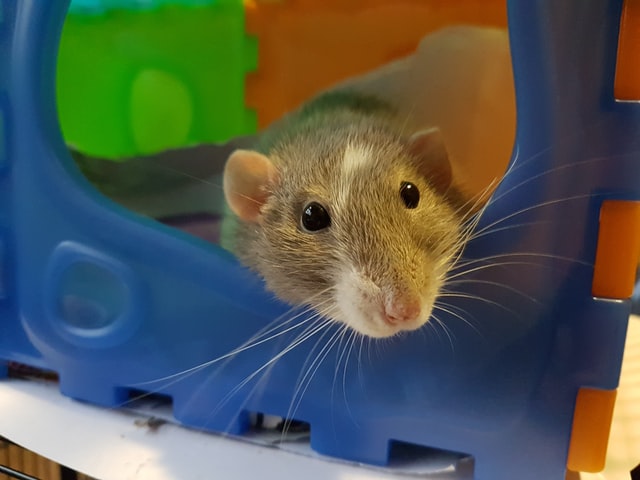 As the current international monkeypox outbreak in people continues, more consideration is being given to the potential impact on, and subsequently from, animals. Animals are the reservoirs for this virus, although there are lots of gaps in our knowledge of the species monkeypox virus can infect.
The current cases outside of Africa are being spread
Urban Wildlife and SARS-CoV-2 Variants
 As SARS-CoV-2 continues to rip through the human population, we’re getting more information about downstream impacts, including transmission to animals. One of my talking points since the start of the pandemic has been that we want to keep this virus in the human population. If we spread it to animals, it will be much harder
Alaskapox Virus… Yes, That’s A Thing
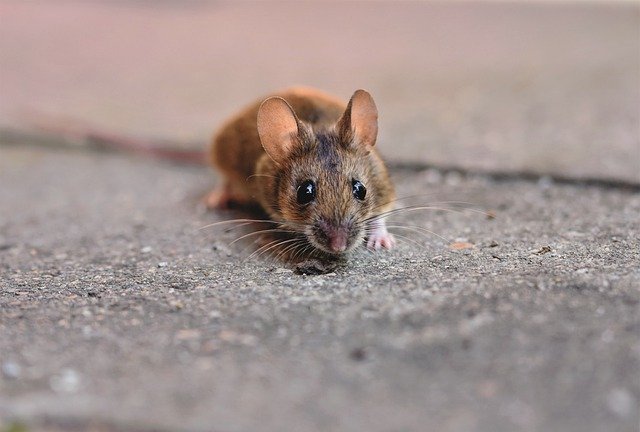 Naming a new virus or disease after a location is now generally frowned upon because of the potential stigma it can create, so we’ll see if the name “Alaskapox” actually sticks to this relatively new poxvirus that was first reported in 2015 in a person in Alaska, and has now been reported for a
Snakes, rodents and Salmonella… same story, different country
This is one of these “I’m not sure it’s really news” stories, but I guess is should be because it’s still a problem. We know there is a clear link between reptiles and Salmonella in people. Reptiles are common carriers of this bacterium, and human infections from handling reptiles or having contact with their environment
Plague from dog
 Plague… it’s a term that typically conjures up images of the devastating "Black Death", the pandemic that killed 75-200 million people in Europe back in the 14th century. Yet, it’s not just a historical disease. Plague is still present in a variety of small mammals in different regions worldwide (see map), including parts
Deja vu…Salmonella and feeder mice
 In some ways, it doesn’t surprise me because it’s happened many times before. However, you’d think that, at some point, things would start to improve.
Apparently not.
The US CDC is reporting yet another outbreak of salmonellosis associated with contact with feeder mice, that is, mice produced commercially to feed to pet reptiles. Sadly
Sssnakes and Sssalmonella
 The fact that Salmonella and reptiles go together is old news. I often get questions about testing reptiles to see if they are Salmonella carriers and I tell people not to bother since even with a negative result, I’d consider the animal to be positive. A recent study in the Journal of Zoo and Wildlife