

The British Small Animal Veterinary Association (BSAVA) has updated its practice guidelines for management of MRSA and MRSP.

Overall, there’s good information in the document with an emphasis on routine infection control as the key measure to reduce the impact of MRSP and MRSA. I’d like to see more emphasis on developing an overall infection control program, but the emphasis on basic principles such as hygiene is good.

Like any guideline document, there will be some disagreements in recommendations. I agree with the majority of what’s written, although there are some recommendations that I wouldn’t make, and some additional areas that I’d address. That’s not surprising since most of the recommendations are based on opinion rather than evidence because we don’t have solid evidence for most areas, and there isn’t necessarily a single "right" answer to many questions at this point.

Typically, guidelines assess and report the level of evidence on which recommendations are based, but that’s not done here. Letting people know the evidence (or here, the relative lack of evidence) is a useful part of guidelines. How the recommendations are worded can also play a role. Here, they perhaps overstate the strength of evidence through use of wording such as saying something "will" have an impact, when we really should say it "might." In the absence of evidence, good common sense measures can be recommended and implemented, however we need to remember that we have major limitations in our knowledge. We need to figure out which infection control practices are effective.

I have a major problem with one recommendation: "Colonised animals should be treated with a chlorhexidine shampoo and intranasal fusidic acid or mupirocin once daily." There is simple no evidence supporting the use of active measures to eliminate MRSA and MRSP.

  • For MRSA, there is reasonably good evidence that dogs and cats eliminate it on their own in a reasonably short period of time.
  • For MRSP, we simply don’t know how long they can be carriers. I suspect that long-term carriage can happen in some animals, so decolonization might be attractive, but we don’t know what to do yet.
  • There is absolutely no evidence that intranasal antibiotics are effective in dogs and cats. I have serious doubts that someone can adequately administer a topical antibiotic to the nasal passages of a dog, and particularly a cat.
  • If this recommendation is adopted and widely used in the UK, I suspect the country will be an international leader in fusidic acid- and mupirocin-resistant bacteria.

Overall, there are some good recommendations in the guidelines, including the general infection control sections. We need to improve our baseline level of infection control and hygiene to reduce the impact of MRSA, MRSP and a variety of other concerning microorganisms. At the same time, we need to acknowledge our limited knowledge in a lot of areas and the fact that we are really working based on common sense and extrapolation from human medicine, with little direct evidence from veterinary medicine. Much more research is necessary, a major limitation of which is the limited priority given to companion animal infection control by research funding agencies.  This has to change to help control the impact of bugs like MRSA and MRSP on both animals and people.
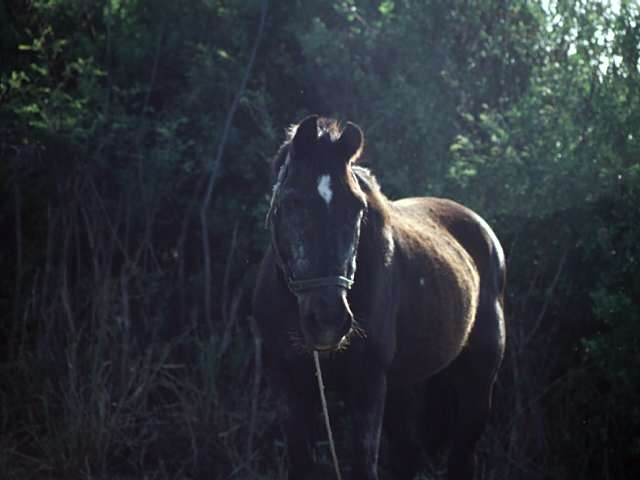
A large equine infectious anemia (EIA) outbreak has claimed the lives of 40 Arkansas horses. The outbreak has hopefully been contained to one farm in Johnson County. Two horses on the farm died from this viral disease, while 38 others were euthanized, presumably because they tested positive. Approximately 40 other horses are on the farm, and are presumably negative (at this time).

So far, the outbreak seems to be limited to this single farm. There is one neighbouring farm, which is being investigated to see if the insect-borne disease has spread. The affected farm does not show horses or ‘sell any horses to any extent,’ so hopefully the odds of the outbreak being contained are good.

A big question remains unanswered and is critical for determining whether this outbreak will be controlled: Where did the virus come from? Viruses don’t just spontaneous pop out of nowhere (although sometimes it seems that way at first) – there had to be source of infection, and that source could have spread it elsewhere. With the large number of positive horses on this farm, it’s concerning that the virus could have been introduced a while ago, and the longer the time frame, the harder it is to both track and control.

A paper in the Journal of Neurooncology (Redelman-Sidi et al, 2011) describes "kitten-transmitted Bordetella bronchiseptica infection" in a cancer patient. The patient in question had a brain tumour that was surgically removed. The 56-year-old man was then started on chemotherapy, which in addition to killing cancer cells can also cause significant impairment of the immune system, which puts chemotherapy patients at high risk for infections of many kinds. This particular patient developed a persistent cough during treatment and was eventually diagnosed with B. bronchiseptica infection. This bacterium is one of the causes of kennel cough in dogs, and can cause respiratory infections in other species, including cats.

The man had acquired a kitten three weeks before he developed the cough. The kitten had (at some undefined time) conjuncitivitis and signs of respiratory disease. Unfortunately, as is too often the case in reports of supposed pet-associated disease in the medical literature, the kitten was not actually tested.  Bordetella bronchiseptica is classically an animal-associated organism, the kitten was newly acquired and it had respiratory disease.  These factors strongly suggests the kitten was the source.  However, without testing of the kitten and investigation of other potential sources of infection, it’s hard to be as definitive as the title suggests. The suspicion of the kitten being the origin is reasonable nonetheless.

Some statements from this report are contrary to my typical recommendations for pets and immunocompromised individuals.

Getting a young animal

  • Kittens and puppies are entertaining, but they are also higher-risk animals compared to adult dogs and cats. They are more likely to harbour a variety of infectious agents. They are also more likely to bite or scratch through playful or rambunctious behaviour, and it’s harder to properly assess their temperament. If an immunocompromised person wants to get a new pet, getting an mature animal is ideal.

Source of the kitten

  • The paper unfortunately doesn’t mention from where the kitten was obtained and whether there was a respiratory disease problem in other animals at the source. Animals in shelters, humane societies and pet stores are more likely to carry various infectious diseases because they are densely populated facilities, often have infection control challenges, house many high-risk animals and are stressful environments. Getting new animals from these places is not ideal for a high-risk person.

Veterinary care

  • The kitten had signs of respiratory disease and was seen be a veterinarian. It doesn’t appear that any testing was done and the kitten was just treated with antibiotics. That’s pretty common, but in a situation where there is a high-risk person in the house, it’s wise to be more aggressive with diagnostic testing to determine whether there may be any concerns for the person.

A pet can be a wonderful thing for a person living cancer, by providing social and emotional support, along with other benefits. Pet ownership always carries some risk of zoonotic infections, and the risk is higher in people with compromised immune systems. Rarely, if ever, is pet ownership inappropriate for a cancer patient, although certain pets and certain situations might be, and high-risk individuals need to think about possible risks and measures to reduce those risks.

People with cancer or other problems affecting their immune system should ensure that their physician knows that they own pets. Veterinarians need to play a role as a member of the overall healthcare team too. Optimizing pet health can help reduce the risk of human infection. Prompt and proper diagnostic testing can identify potential issues. Proper counseling can reduce risky situations from inappropriate pets, inappropriate contacts and other factors that might make exposure to a nasty infection from a pet more likely.

In the early 2000s, we took a lot of bad publicity in Ontario (particularly at the Ontario Veterinary College) because of MRSA in horses. While MRSA had been found in horses before and there were anecdotal reports of MRSA infections and outbreaks in different areas, the fact that we intensively investigated the issue and published a lot of our findings made it look like we were the hotbed of MRSA internationally. We suspected at the time that MRSA was widespread in horses and that the limited reports were because few people were looking or publishing their observations. That suspicion has been supported by reports over the past few years of MRSA in horses in many countries, and it appears that MRSA is present in horses around the world.
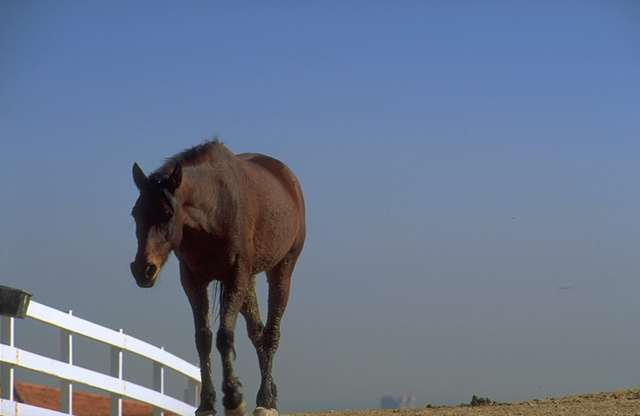
A recent study from Australia (Axon et al, Australian Veterinary Journal 2011) provides more support for this conclusion. In the study, horses that were admitted to a veterinary hospital’s intensive care unit over a 30 day period in 2008 were tested for MRSA carriage by culturing swabs from their noses. MRSA was isolated from 3.7% of horses, which is similar to the prevalence here based on data we’ve gathered over the years.

For the second part of the study, the authors looked at medical records from horses at the hospital from 2004-2009 and collected data on MRSA infections. During that time, MRSA was isolated from 75 horses.

  • That number (75) surprises me a little, since it’s much higher than what we see here. Even though we see approximately 2% of horses carrying MRSA when they arrive at the hospital, we have a very low MRSA infection rate in our patient population. A few of those 75 horses probably didn’t really have MRSA infections, since nine horses only had positive nasal samples which is more likely to be from subclinical colonization rather than infection of the nasal passages. A few others had MRSA isolated from catheter sites, and it’s hard to say whether those are truly infection or just contamination of the skin. So, the number of true infections might be lower, but it’s still a significant issue. It would be interesting to know how many of those horses came in with MRSA infections versus how many picked up MRSA in hospital.

Wound infections were most common, accounting for 43 (57%) of the cases. Five horses were euthanized because of the MRSA infection, all of which had joint infections that did not respond to intensive treatment.

One farm accounted for 18 MRSA-positive results in the second part of the study, as well as two positive horses in the surveillance part of the study. This farm would seem to have a pretty big MRSA problem, which we’ve seen occasionally on a few biohazardous breeding farms that we’ve found over the years.  MRSA can be controlled on farms like that but it takes effort. We’ve had some farms address the issue properly and eliminate MRSA, while others essentially ignored the problem and continued to have widespread MRSA for years. 

Not surprisingly, most of the MRSA isolates in the Australian study belonged to sequence type 8 (ST8), the group of MRSA that we find in horses here in Ontario and internationally. This is a recognized human strain that seems to have become adapted to horses. It’s also found in a disproportionately high percentage of horse owners and horse vets, likely indicating movement of teh strain between horses and people.

Overall, the results of this study are not surprising, but are very useful in that they support the notion that MRSA is present in horses around the world, and the situation with MRSA in horses is probably quite similar in many different countries. 

More information about MRSA in horses can be found in on the Worms & Germs Resources – Horses  page.

Rabies is pretty rare in horses, but there have been a few reports this summer.  Though rare, rabies is still a major concern because it’s invariably fatal in horses, and almost always fatal in people.

Rabies was recently diagnosed in a horse in Eddy County, New Mexico. It started showing undefined signs of rabies and was euthanized two days later. Several people who worked with the horse are undergoing post-exposure treatment.

While rabies can potentially be spread from horses to people, I’m not aware of any confirmed cases of such transmission. Since rabies usually kills people, even a plausible risk is cause for concern. Additionally, and perhaps more importantly, rabid horses can be very dangerous, and multiple people have been killed by aggressive rabid horses. 

Rabies should be a core component of a horse’s vaccination program in any part of the world where rabies is present in the wildlife population. Unfortunately, that’s not always understood. One area resident stated she’d never heard of rabies in horses, and while she has her dogs and cats vaccinated, she hasn’t vaccinated her livestock. No vaccine is 100% preventative, but rabies vaccination is a cheap and very effective way to reduce the risk of this fatal disease significantly.

A somewhat confusing report in Lebanon’s The Daily Star describes an outbreak of disease at Beirut’s Hippodrome (racetrack) that has resulted in the deaths of 21 horses; 2 from disease and 19 that were euthanized as part of the outbreak response.

It’s not specifically stated in the report, but the commentary about glanders, a highly infections disease caused by the bacterium Burkholderia mallei, suggests that glanders has been diagnosed or is strongly suspected. The two affected horses had been imported from Syria, which has been the source of other glanders outbreaks, and the disease is present in multiple countries in the region, so it’s a likely cause. The reason for euthanasia of the 19 "healthy" (presumably exposed) horses is unclear. Hopefully it was done because they were identified as infected, however the report suggests that euthanasia preceded diagnosis.

Little information was provided about the response, beyond culling, with only a statement that "all relevant procedures had been taken." Additionally, a quarantine and testing requirement for horses entering Lebanon was announced by the mayor (presumably, a federal body has mandated this since I doubt the mayor of Beirut can set national importation policy). Measures for controlling glanders outbreaks are fairly well described and involve extensive investigation of horse contacts and movement, screening of potentially exposed horses, euthanasia of positive horses, quarantine of potentially exposed farms and use of stringent infection control practices. Hopefully a proper response is being undertaken here.

Beirut’s mayor stated that there was "no possibility that the disease could be spread to humans," but that isn’t consistent with glanders since this is a potentially serious disease in people as well. Two grooms that worked with the first two horses were tested and so far are negative and healthy. The likelihood of someone getting infected from an infected horse isn’t great, but it’s a very nasty disease so care must be taken and investigation of human contacts is important.

The Agriculture Ministry will apparently release its "all-clear" report in 6 months (assuming no more cases crop up). Let’s hope that things truly are "all clear" in 6 months, with a subsequent report (presumably after official confirmation that the outbreak is over) thereafter. More details about the extent of testing and the results would be nice in the short term, to get a better understanding whether this is truly just a case of a couple of infected horses being imported with no transmission outside of the initial group, but political issues often limit the information flow in glanders outbreaks.

Image: Beirut Hippodrome (click for source)

A recent case of canine rabies in France showed yet again the risks posed by illegal importation of animals. This case is somewhat unusual since it seems to involve ignorance of the rules and lax enforcement, compared to rampant animal smuggling, but the end result was the same.

The animal in question was a puppy that was brought to France by a family that had been vacationing in Morocco. They found the puppy on July 11 and returned to France on July 31. European Union regulations require that imported dogs be vaccinated against rabies and microchipped. Neither was done to this puppy, and it was in fact too young to vaccinate against rabies according to standard protocols. The family traveled back to France by ferry and car, and either met no customs officials or at least no officials who asked any questions about the puppy.

They day after they returned to France, the puppy started to exhibit behavioural changes and progressive sleepiness, with subsequent development of aggression. Five days later, it was taken to a veterinarian and it died the next day. Rabies was confirmed a few days later, and testing of the virus strain indicated that it was of the Africa-1 lineage and closely related to strains previously isolated in Morocco.

An investigation into possible rabies exposure ensued. Typically, it is assumed that animals can be infectious for up to 10 days prior to showing signs of rabies. Often, this is extended by several days for added confidence and because it’s not always possible to determine exactly when the earliest, mildest signs might have developed. In this case, they considered the period that rabies could have been transmitted to be from July 18 until the puppy’s death.

Multiple people had close contact with the puppy. Three family members had been bitten, a clear indication for post-exposure treatment. One other person (a friend of the family, it appears) was also bitten and received treatment. Another person reported being licked on non-intact skin (i.e. an area of skin with a cut, abrasion or other break in the normal barrier) and was also treated. The attending veterinarian, who had been previously vaccinated, received two booster shots.

This isn’t the first time that rabies has made its way from Morocco to France, and it’s concerning that it was so easy for it to happen. Nine rabid dogs have been illegally imported to France from Morocco since 2001. In 2008, one such dog subsequently transmitted rabies to several other dogs, resulting in France losing its rabies-free status until February 2010. It’s not surprising that no questions were asked of the family traveling from Spain to France because of the open nature of borders between EU countries, but the ability to enter Spain from Morocco with no flags being raised is a concern. Hopefully there’s an investigation into how this puppy was able to get into Europe so easily and how to reduce the chances of this happening again.

The mosquito-borne diseases eastern equine encephalitis (EEE) and West Nile (WNV) continue to rear their ugly heads in the northeast as we get further into the late summer season during which they are most common.

On August 13 there was an unconfirmed report of a case of West Nile in a horse at Woodbine Racetrack, just north of Toronto.  No additional details have been forthcoming regarding the severity of the infection or the status of the horse, if WNV infection has in fact been diagnosed.  Nonetheless, the Ontario HBPA is urging horse owners to ensure the vaccination status of their animals for West Nile is up-to-date.  Unfortunately, if horses are not already vaccinated at this point, even vaccinating them immediately may still leave them susceptible to virus for the next few weeks until they are able to fully respond to the vaccine.  This news follows close on the heels of news reports regarding increased numbers of WNV-positive mosquito pools in various regions north of Toronto, and thus is not altogether surprising.

The first case of West Nile in a human in New Jersey was recently diagnosed in a man from Mercer County.  Again, no additional details about the severity of the infection or the man’s condition are available, but the public is once again being urged to protect themselves against mosquitoes by wearing long sleeves and pants, using insect repellant, and eliminating standing water in which mosquitoes may breed on their property.  Elsewhere the death on August 14 of a four-year-old girl in New York from infection with EEE has been reported.  She is the fifth person in New York state to die from the disease in 40 years.  The girl first began showing signs of infection earlier this month, but the diagnosis of EEE infection was only reached last week.  EEE has a high mortality rate in humans as well as horses.  Just as infection in animals can act as sentinel indicators for disease risk in humans, these human cases indicate that WNV and EEE are active in these respective areas, and humans and horses alike are at risk of infection.  Mosquito avoidance can help protect both, and in addition timely vaccination of horses can help decrease the risk of disease.

Following on the heels of the beginning of the start eastern equine encephalitis (EEE) season, warnings are going out about another mosquito-borne disease in parts of North America, West Nile virus (WNV) encephalitis. While mosquitoes have been swarming around here for months, WNV only becomes a real concern in southwestern Ontario starting in mid-to-late August. This time of year, the virus starts increasing in the mosquito population, and the types of mosquitoes that bite both birds and mammals (and therefore act as a bridge between the bird reservoirs and susceptible mammals like horses and people) become more common and more active.

Reminders about WNV have been issued in Ontario over the past few days because of increasing numbers of mosquito pools testing positive for the virus. Mosquito pools are groups of mosquitoes that are caught and tested together to see if the virus is present. The more pools that are positive, the more mosquitoes that are positive and the greater the WNV activity in the area.

People are being reminded to take measures to reduce mosquito breeding grounds on their property, which mainly means getting rid of standing water. Avoiding mosquito bites through basic measures, such as staying away from mosquito-infested areas (particularly at dawn and dusk), wearing light coloured clothing with long sleeves and long pants, using insect repellent containing DEET and making sure windows have intact screens, is also emphasized.

Recommendations are similar for horse owners; reduce mosquito breeding sites and reduce mosquito exposure of your horses (although this can be easier said than done). Vaccinating horses against WNV should also be considered. The dramatic decline of WNV infection in both people and horses after it first emerged back in 2001/2002 was quite impressive, and WNV hasn’t ended up being the major problem it could have been. In 2011, there was only 1 confirmed case in a horse in Ontario. Presumably, there were more undiagnosed cases but this shows how the disease has leveled off to be an uncommon but still present issue.

Despite disease due to WNV being rare in Ontario (remember that the virus itself is not rare because the mosquito pools are still testing positive), WNV shouldn’t be ignored because it still has the potential to cause severe illness in horses and people. When deciding whether or not to vaccinate your horse, consider carefully the risk of mosquito exposure, WNV activity in your local area, WNV history in horses and people in the area and your own level of risk aversion.

Bites from the brown recluse spider (see photo left) can be pretty nasty, and produce tissue damage similar to a typical MRSA skin and soft tissue infection. Despite the epidemic of MRSA that’s ongoing in many regions, particularly the US, MRSA infections are still sometimes misdiagnosed as spider bites.

To a degree, I can see why this might happen in areas where the brown recluse spider lives (i.e. the yellow area on the map at right) and where these spider bites certainly occur.  Even in these regions though, taking a culture to rule out MRSA is about as simple as it gets. Sadly, erroneous spider bite diagnoses also happen in areas where the brown recluse spider doesn’t even exist.

A colleague from the University of Iowa, Dr. Tara Smith, recently described a nice example of this on her blog Aetiology:

Does this relate to animals? Not really. Unlike people, animals rarely develop the type of skin infection that mimics a spider bite, so misdiagnosis as a spider bite is unlikely (although it does sometime occur). Failure to properly consider MRSA and test for it is still a problem in animals.

Source of images: http://en.wikipedia.org/wiki/Brown_recluse_spider