
By Scott Weese on Posted in BirdsFollowing up on yesterday’s post about a bird-and-fish-associated infection, this next story also involves a pet bird, but with a much worse outcome. It involves a young woman who developed a very serious case of psittacosis linked to her job in a pet store. Psittacosis is a bacterial disease caused by Chlamydophila psittaci, a bacterium… Continue Reading
By Scott Weese on Posted in BirdsWhy is it that zoonotic disease case reports in the scientific literature sometimes get titles that are…well, let’s just say “creative.” A recent example of a strange headline for an interesting case report is “The Brief Case: A Fishy Tale Prevents Digital Doom following Polly’s Peck—the Importance of Pets in a Comprehensive Medical History” published in… Continue Reading
By Scott Weese on Posted in DogsA few sentences into a Washington Post article entitled “A dog bite sent him to the ER. A cascade of missteps nearly killed him”, I was thinking, “This sounds like a pretty typical Capnocytophaga canimorsus infection. I wonder if this guy lost his spleen earlier in life.” It turns out that was true. Unfortunately, neither… Continue Reading
By Scott Weese on Posted in Dogs,HorsesGuest blog by Dr. Michelle Evason, DVM DipACVIM (as well as current PhD student and coordinator of our Lifetime Lyme Study) In 2014, the Public Health Agency of Canada (PHAC) initiated a 3-year marketing campaign (news, advertisements, social media, collaboration with Parks Canada to post signage, etc.) to try to raise the general public’s awareness and… Continue Reading
By Maureen Anderson on Posted in Dogs,Other diseasesThere were several more reports over the weekend in follow up to the canine influenza outbreak at dog shows in Florida early last week. Unfortunately, but not surprisingly, associated cases were then found in North Carolina, and have now been reported in 11 states, no doubt from dogs that were at the shows in Florida… Continue Reading
By Scott Weese on Posted in Cats,DogsA new Clinical Consensus Guideline, coordinated through the World Association for Veterinary Dermatology, has been released: Recommendations for approaches to methicillin-resistant staphylococcal infections of small animals: diagnosis, therapeutic considerations and preventative measures. Clinical Consensus Guidelines of the World Association for Veterinary Dermatology This large and comprehensive document is open access and can also be downloaded via… Continue Reading
By Scott Weese on Posted in Cats,Dogs,VaccinationThe recent H3N2 canine flu outbreak centred around dog shows in Florida has led to the usual round of questions and concerns. How many dogs have been affected? Hard to say. Cases aren’t carefully tracked and it is reasonable to assume that the majority of dogs that developed influenza (especially mild disease) were never diagnosed.… Continue Reading
By Scott Weese on Posted in Cats,Dogs,HorsesTo continue the map-posting binge that I’ve been on lately, Public Health Ontario has just posted their updated Lyme Disease Risk Areas map for 2017. For comparison, you can still also access the 2016 map too, and you can see that the risk areas have indeed expanded somewhat, particularly in Eastern Ontario. The estimated risk… Continue Reading
By Scott Weese on Posted in Cats,Dogs,HorsesOur online Pet Tick Tracker continues to receive lots of submissions, so here are some interesting maps showing some of the preliminary information compiled so far. The maps show where the ticks are being reported, but remember that they’re not necessarily reflective of the true overall picture, since it depends on who is reporting and who isn’t reporting.… Continue Reading
By Scott Weese on Posted in Dogs,Rabies,VaccinationTwo rabid dogs have been identified in Whapmagoostui, a Cree community in a remote region of northern Quebec. Rabies is very rare in dogs in Canada, and in recent years, much of the concern has revolved around rabies in dogs from northern communities. Rabies is endemic in Arctic foxes, and dogs can be infected from… Continue Reading
By Scott Weese on Posted in Other animals,SalmonellaA playground in New South Wales, Australia, has been closed because its sandpit was linked to salmonellosis in two children. Sandboxes are a potential source of a few different infectious diseases since they can be used as litterboxes by animals such as cats, raccoons, and apparently, bandicoots. In the Australian incident, two kids were diagnosed… Continue Reading
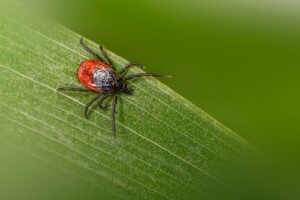
By Scott Weese on Posted in Cats,Dogs,HorsesOver the years, we’ve tried a variety of new approaches to promote awareness (among the public, veterinarians and others) and to collect relevant research information. Some (like this blog) have taken on a life of their own and exceeded our expectations. Some didn’t go very far. Our most recent initiative is the PetTickTracker, a website designed… Continue Reading
By Scott Weese on Posted in Dogs,Rabies,VaccinationEvery few weeks I get a call or an email about travel-associated rabies exposure concerns. It’s usually from someone traveling to southeast Asia or India who has been bitten by a stray dog. Most of the time, it’s an unvaccinated person and the dog isn’t available for monitoring or testing. Since rabies is endemic in… Continue Reading
By Scott Weese on Posted in Cats,Dogs,HorsesIt’s pretty clear that tick ranges are changing. In Ontario, we’ve seen movement of ticks into areas where they were never seen before, as well as potential changes in the types of ticks that are found in different areas. The potential for tickborne diseases like Lyme disease highlights the importance of understanding tick distributions. Knowing where… Continue Reading
By Scott Weese on Posted in Dogs,VaccinationLately I’ve had a run on questions from veterinarians along the lines of “I have a client who is immunocompromised and their physician has said their pet should not receive a modified live vaccine. What should we do?” There are a few different types of vaccines. Modified live vaccines are vaccines comprised of (as the… Continue Reading
By Scott Weese on Posted in Cats,Dogs,Other animals,Rabies,VaccinationThis month, Public Health Ontario released a new Rabies Guidance Document for Healthcare Providers. It’s nothing particularly new but a good review of the recommended response to rabies exposure from various animal species, something that’s unfortunately often messed up or made more complicated than necessary. It includes some nice flowcharts, such as the one below. The full… Continue Reading
By Scott Weese on Posted in Dogs,Rabies,VaccinationIn many countries, rabies is a disease we’re concerned about but one that is rarely seen in domestic animals and is exceptionally rare in people. It’s easy to forget that people in other areas are confronted with a risk of rabies on a regular basis. Canine rabies is a major problem in Africa, leading to… Continue Reading
By Scott Weese on Posted in Pocket petsThe recent (ongoing) Seoul virus outbreak associated with pet rats and recurrent Salmonella outbreaks linked to feeder rats have focused more attention on the national and international movement of rodents. Most people probably don’t realize the massive number of rodents that are shipped internationally, and we don’t really understand the risks. Anytime animals are moved… Continue Reading
By Scott Weese on Posted in Other animals,ParasitesI think petting zoos can be great. I’ve taken my kids to many and think they’re a great way for people to see and interact with animals they would not normally encounter. However, there’s always some risk, and petting zoos range from exceptionally well run to horrible. It seems like there’s been steady improvement over… Continue Reading
By Scott Weese on Posted in Cats,DogsI’ve had a lot of emails over the past few months from colleagues from other countries, asking if we’re finding much mcr-1 in Canada. mcr-1 is a gene that makes bacteria resistant to colistin, a “drug of last resort” in people with some highly resistant infections. The gene has emerged in bacteria from both animals… Continue Reading
By Scott Weese on Posted in Birds,Cats,Dogs,Other animals,Pocket pets,ReptilesThis month’s edition of the Internal Medicine Journal contains an article entitled High rates of potentially infectious exposures between immunocompromised patients and their companion animals: an unmet need for education (Gurry et al. 2017). The study is fairly superficial and there’s nothing particularly surprising in the paper, with results similar to what has been reported in… Continue Reading
By Scott Weese on Posted in Pocket petsIt’s not particularly surprising, I guess, but a few cases of Seoul virus infection have been identified in Ontario residents who breed or have contact with rats. Fortunately, like most infections with this type of hantavirus, disease was mild. Equally not surprising is that infected rats have been found in Ontario rat-breeding facilities. The Ministry… Continue Reading
By Scott Weese on Posted in HorsesThe bacterium Streptococcus equi subsp. zooepidemicus (often simply called Streptococcus zooepidemicus) is one that I think I understand less and less, including the risks this predominantly equine-associated bug poses to humans. It’s a well-known and common bacterium in horses, both healthy and sick, and can also be found in dogs and cats (where it can… Continue Reading
By Scott Weese on Posted in Cats,Dogs,Other diseasesThe latest set of clinical treatment guidelines from the International Society for Companion Animal Infectious Diseases have been published in the Journal of Veterinary Internal Medicine (Lappin et al 2017): Antimicrobial Use Guidelines for Treatment of Respiratory Tract Disease in Dogs and Cats: Antimicrobial Guidelines Working Group of the International Society for Companion Animal Infectious… Continue Reading