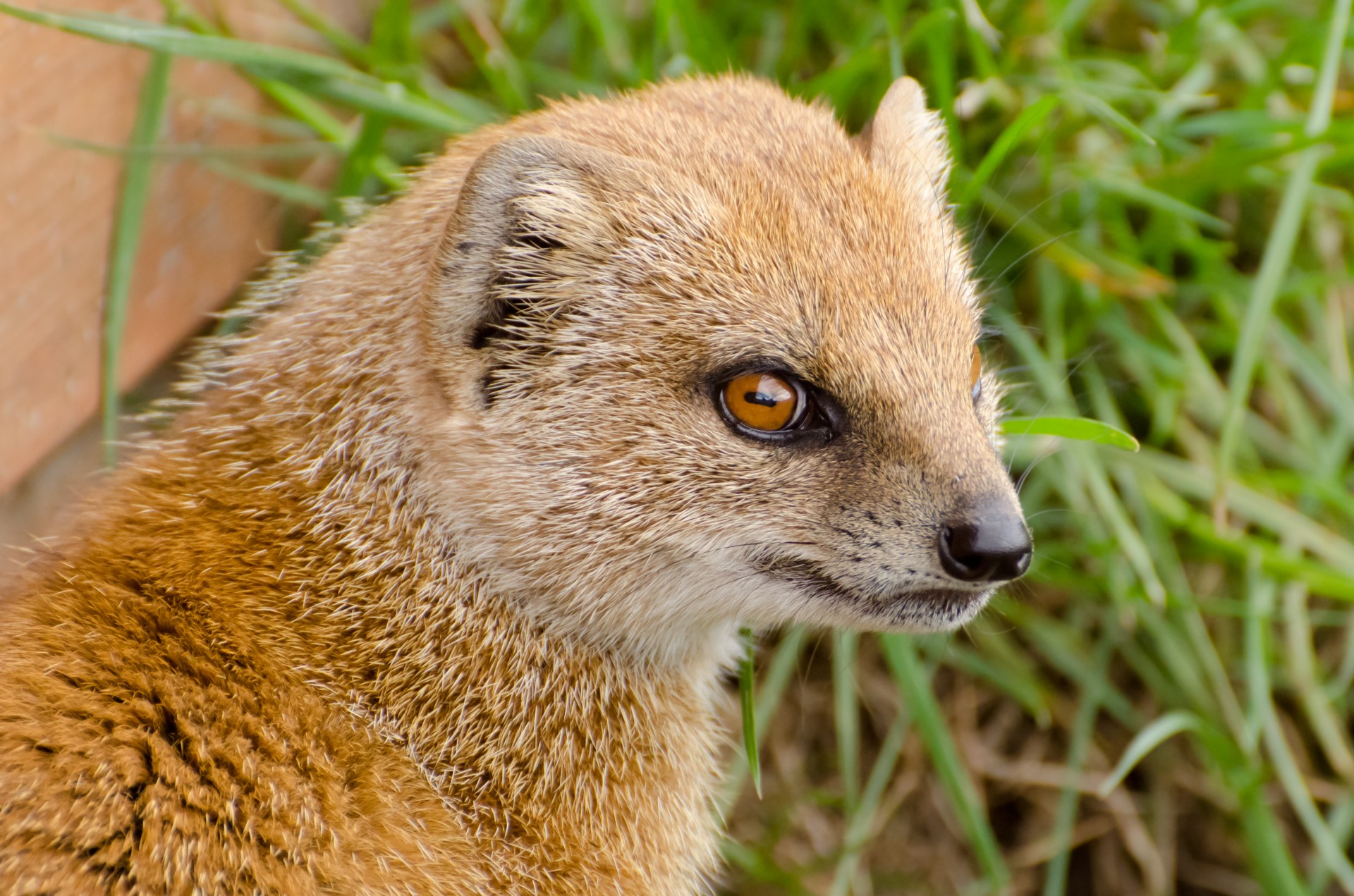
Yellow mongooseEvery few days, it seems, I get an email or call that goes something like “I was just bitten by [insert various mammals here]. Do I need to worry about rabies or do anything?”

The answer’s pretty similar every time. While the relative risk posed by different animal species in different geographic regions

MNRF_rabies_poster_protect_2016_emailRaccoon-variant rabies cases around the Hamilton area continue to trickle in slowly but steadily each week.  The total number of cases is now up to 187 since December 2015, with 132 cases in raccoons and 53 in skunks.  The remaining two cases were in less common – but not altogether unexpected – species: a fox

A few years ago, we launched WormsAndGermsMap to help track certain emerging and endemic diseases. Data are entered by participating veterinary clinics, surveillance programs and the WormsAndGerms team. While we certainly can’t capture every case, we do collect some interesting information about the presence of certain diseases.

Using the “Report Filter” bar on the left,

When raccoon rabies re-emerged in Ontario last fall, one of the big questions was “where did it come from?” It had been eradicated from the province and control measures were in place at the borders to reduce the risk of re-introduction. It was assumed that a rabid raccoon hitched a ride across the

Raccoon close upSuccess can breed apathy. Apathy can lead to bad decisions.

That’s a common problem with vaccinations. People lose sight of why we vaccinate. Growing up during a time when many major pathogens have been controlled by vaccines, it’s easy to forget about how bad those diseases are. Whether it’s resurgence in measles in people because