
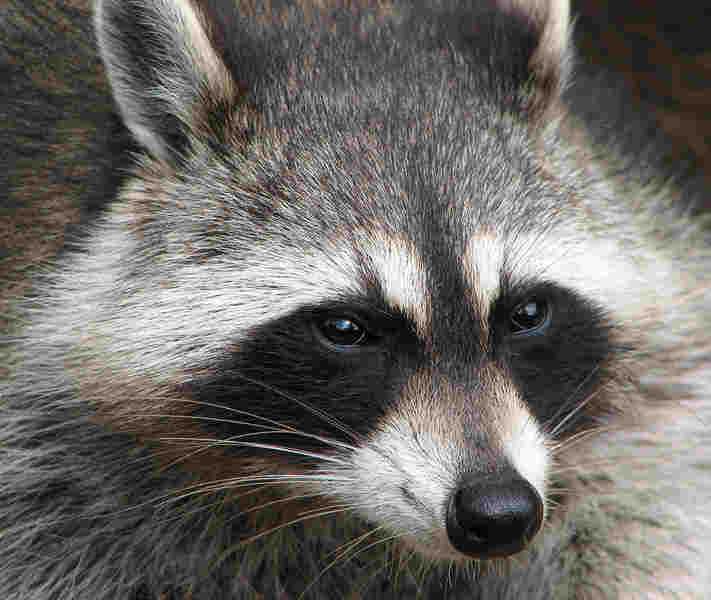
 ProMed mail has a report about 2 cases of Baylisascaris procyonis infection in people in Brooklyn, New York. Baylisascaris is the raccoon roundworm and is very commonly found in the intestinal tract of healthy raccoons. Raccoons shed this parasite in their stool, and after a short period of time, the parasite larvae become infective
International Pooper Scooper Week
 I guess there’s now a week for absolutely everything. aPaws, the Association of Professional Animal Waste Specialists (no, I’m not making this up) has declared April 1-7 to be International Pooper Scooper Week. The overlap with April Fool’s Day is apparently just a coincidence. This group was formed in 2002 in recognition of "
Dog park closed because of bleach contamination
A dog park was closed because of an attempt by a dog-owner to disinfect puddles. The woman was seen pouring a gallon of bleach into a mud puddle, sparking an investigation. The site was closed while city staff pumped out puddles. The woman told the person that witnessed and reported the incident that her
Sandbox season arrives!
 We’ve had some beautiful warm days in southern Ontario lately, and spring – technically – arrives tomorrow (despite the fact that it’s been trying to snow in Guelph even this afternoon! But hope springs eternal (pardon the pun)). The picture (right) is Erin, my youngest daughter, enjoying the warmer weather and playing in a sandbox
Research finds 10% of dogs may make their owners sick
 This rather sensational title is from a Murdoch University (Australia) news article regarding a study of intestinal parasites in Australian dogs. It certainly grabs one’s attention. For me, the article brings to mind two different trains of thought:
1) Far more than 10% of dogs could make their owners sick. Be it dogs, cats
Lungworms in dogs: Parasite risk or marketing ploy?
 I read a press release today entitled "New Parasite Infection Killing Pet Dogs in Southern England". It’s about the lungworm Angiostrongylus vasorum. The main reservoir for this parasite in England is the common red fox. Slugs and snails are involved in transmission of the worm as well. Infection of dogs most
Deworming kittens and puppies
 Deworming adult cats and dogs is a rather controversial area at the moment. Balancing concerns about animal health, zoonotic disease transmission, drug resistance, compliance and cost is difficult. Risks vary between different regions/climates and there are no clear answers. One area that is much less controversial is deworming of kittens and puppies (less than 6
Some Beach, Somewhere
 “Some Beach, Somewhere” is not only a popular country music song AND the name of one of the best Standardbred racehorses in the world (originally Canadian, no less!), it’s also the prime source of infection for a disease called cutaneous larva migrans.
Cutaneous larva migrans is a skin disease caused by migration of hookworm
Echinococcus on the rise in Bashkiria, Russia
Echinococcus granulosus, the cause of hydatid disease/hydatosis in people, is on the rise in the Bashkiria (Bashkortostan) region of Russia. Fifty-three cases were identified in Bashkiria in 2008, 1.7 times the number of cases reported the year before. Over 500 cases of human infection with Echinococcus are reported in Russia annually.
.svg)
 The
The
Cheyletiella – The walking dandruff
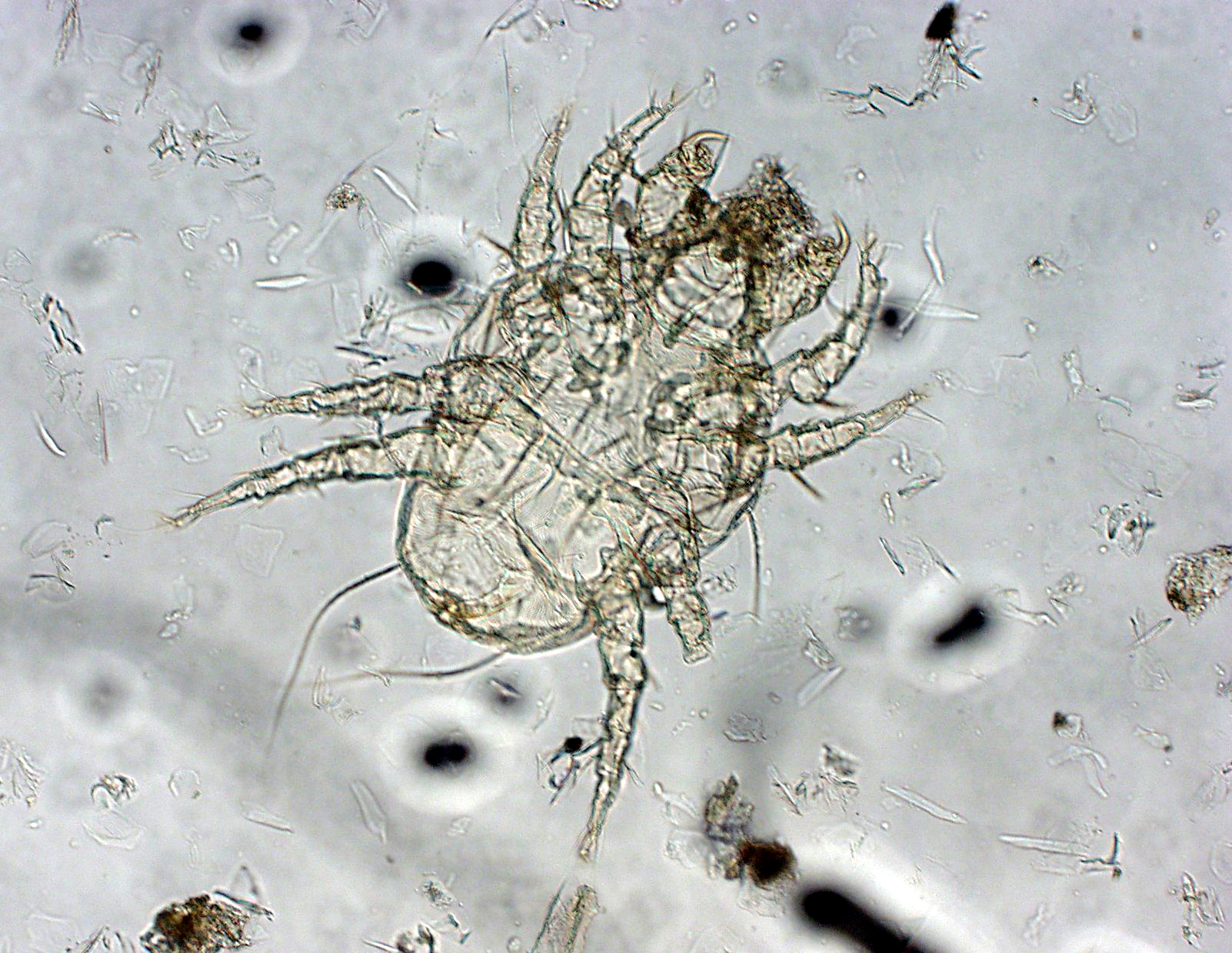 Cheyletiella is a genus of mites that commonly affect dogs (C. yasguri), cats (C. blakei), rabbits (C. parasitovorax), and occasionally people. Unlike Sarcoptes species (the mites that cause sarcoptic mange), these mites live on the surface of the skin and do not burrow into deeper layers. They feed