
 I received the following comment in response to a recent E. coli O157 and petting zoos post, and thought that it merited a post of its own.
"Why doesn’t the petting zoo owners have a fecal swab sample taken from each animal in the petting zoo and submitted for STx PCR screen testing. If a positive is found isolate the animal and continue to monitor it. I would assume The University of Guelph’s extension service would have some information about this."
That’s a great question. When we start talking about infectious disease risks, people often ask about testing. However, testing is not always useful and I think that’s the case here. Here’s a few reasons why:
- Animals don’t shed E. coli O157 all the time. It’s been shown in cattle that if you sample animals regularly, you will find the bacterium in the manure some days but not others. Therefore, a single negative result does not mean that the animal is definitely negative.
- No test is 100% accurate. While current tests are quite good, it cannot be stated with absolute certainty that an animal that is negative on a test for E. coli O157 is truly negative.
- Even if the animals are all truly negative for E. coli O157, they may still be shedding other potentially harmful microorganisms (e.g. Salmonella, Campylobacter, Cryptosporidium ) for which people need to take the same kind of precautions as for E. coli.
- If petting zoo operators had to pay hundreds or thousands of dollars a year per animal for diagnostic testing (a reasonable estimate if they had to do multiple tests on each animal, possibly for multiple organisms), there wouldn’t be many petting zoos around.
For any test, whether it’s being used for screening or to make a diagnosis on a sick animal, it’s critical that it be thought of in terms of "what will I do with the results." In this case, negative results would not change recommendations for running or visiting a petting zoo. I’d assume that animals could still be shedding E. coli O157 intermittently, or that they could be shedding various other pathogens, and I’d still recommend use of good infection control practices like hand washing. Efforts are best spent working on petting zoo design and hand hygiene, rather than testing the animals, because these are more likely to have a positive impact by reducing the risk of disease transmission.
Photo source: http://www.microvet.arizona.edu/Faculty/songer/diag.htm
 As a veterinary internist, I’m always looking for a good excuse to harass veterinary surgeons, and a recent study we performed with Dr. Lee Burstiner (an aspiring surgeon but a good guy anyway) at the 2008
  I’ve written several posts about petting zoos, mainly about the potential negative aspects, although I still think they’re valuable if run properly. A major concern with these events is exposure of people to zoonotic infectious diseases, particularly harmful bacteria that can be carried by healthy animals. One of the more common pathogens that causes disease outbreaks associated with petting zoos, including severe or even fatal infections in people, is verotoxigenic E. coli, particularly E. coli O157.
  The latest issue of Oprah’s magazine "O" features the icon talking about her
  A new trend in the back-to-nature/all-natural (or whatever the catch-word of the day is) movement is urban chickens. These chickens are raised in small numbers by city slickers (i.e. urban residents) in their yards, and are typically used as a source of fresh eggs. Not surprisingly, this concept has met with some controversy. Some people are strong supporters of the idea, while others have serious objections. Different jurisdictions have begun passing bylaws regarding urban chickens –
  The burgeoning green movement has scored another victory at
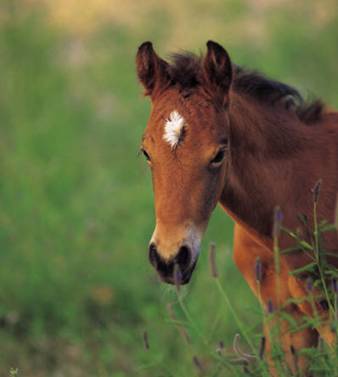 Rhodococcus equi is a very well recognized pathogen in horses – it is a common cause of pneumonia in foals between the ages of 1-6 months, and infection is also sometimes associated with
  Spring appears to have finally sprung in earnest in Southern Ontario (although we may still get one more frost on the weekend, so I hear) and people are getting back out into the garden. An increasingly popular trend in recent years, particularly this year now that