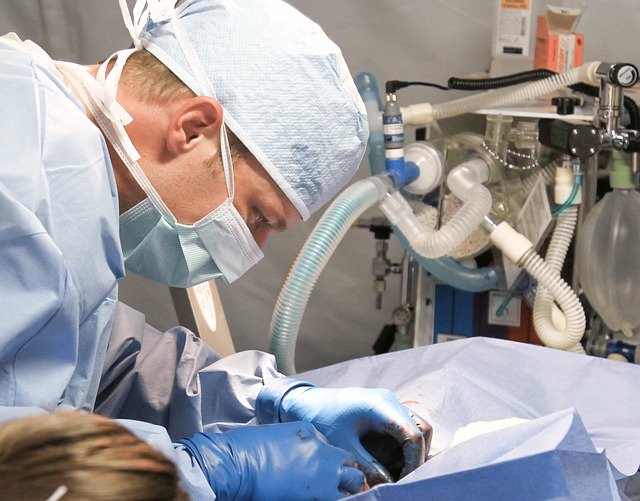
Biohazardous cell phones
It's amazing how attached people are to their cell phones. Many people will answer them without any thought of what else is going on. It's something I've seen in veterinary hospitals where wireless or cell phones are the primary mode of internal communication. The natural tendency to answer the phone often overrides the thought process of "are my hands covered in pus, blood or some other gross material that I should perhaps remove before touching this piece of plastic that will spend a lot of time against my face and which may go home with me?" We've grown some interesting things from cell phones and pagers, as have others.
A recent paper in the American Journal of Infection Control (Sadat-Ali et al 2010) provides yet another example of this. In this study, the authors cultured cell phones of 288 health care providers over a six-month period.
- 44% of phones were contaminated with "potentially harmful" bacteria. There's no description of what they considered "potentially harmful" and I'm surprised that the percentage wasn't even higher.
- MRSA was isolated from 7.3% of phones, from people in wards, the emergency room and the operating room.
- 31% of people said they occasionally wiped down their phones with alcohol swabs. People who said they did this were significantly less likely to have contaminated phones.
Is this really surprising? No, not at all. We don't live in a sterile environment, and the more contact with healthcare environments, the greater the chance of contamination with healthcare-associated microorganisms. We also know that hygiene practices associated with cell phones are certainly not very common, nor have optimal ways to reduce or remove contamination been investigated.
Is this a problem? It's hard to say. Just because cell phones can become contaminated, that doesn't mean they are sources of infection. They are one of many, many potentially contaminated environmental surfaces. However, given the close contact with them and the potential that someone would touch a cell phone and then a patient, it's something that shouldn't be ignored.
Are health care workers' phones worse than other people's phones? It's hard to say. This study didn't look at a control group of non-healthcare workers. I suspect that phones owned by the general public are often contaminated as well, though perhaps not with the same range of microorganisms.
How can we reduce the risk of contamination? It's simple: wash your hands regularly. If healthcare workers washed their hands when they are supposed to (especially before and after patient contacts), the risk of contamination and the implications of cell phone contamination would be greatly reduced.
Like a lot of things in infection control, reducing the risks of this potential problem is pretty easy in theory, but harder in practice, because the draw of that ringing phone is pretty powerful psychologically.
Image from http://cancergrace.org
Infection control...how things have changed
Infection control is a constantly evolving and expanding area - for the good. Paying close attention to infection control in human hospitals is a relatively recent phenomenon, and the advances in infection control are now having an impact outside of hospitals. Pandemic H1N1 influenza drove a lot of changes, but there's been a general increase in awareness of the need for routine infection control in the greater community. This applies to veterinary clinics and living with animals, but is also evident in everything from protocols in workplaces to summer camps.
We're getting ready to send my oldest daughter to summer camp for 12 days. Back in my time, I doubt there was much of an infection control plan for summer camps. If anything, it was probably "don't puke on the other campers and try not to eat too much dirt."
Oh, how things have changed! Last night, we received an email from the camp reminding us to keep our daughter at home if she is sick and outlining their infection control program. Among the infection control measures are:
- Having 2 12-foot handwashing stations outside of the Dining Hall, with everyone required to wash their hands before eating
- Having sinks equipped with handwashing supplies present in all buildings
- Having hand sanitizers throughout the Dining Hall and in every cabin
- Training staff in infection control protocols
- Cleaning cabins every day, with daily inspections of cabins by their "Public Health Supervisors"
- Daily spraying down of surfaces like Dining Hall tables, door handles, toilet handles, taps etc. with disinfectant
- Screening of all kids by one of the Registered Nurses on the first day of camp
Pretty impressive effort, in my opinion. Like everything else, compliance is critical and having good facilities and plans doesn't guarantee good practices, but the efforts put into developing this program and communicating it suggest that they'll be paying attention to it. Even with a good program, camps are an excellent breeding ground for infectious diseases and are perpetually an outbreak waiting to happen, but a good infection control program should greatly reduce the risks.
Ringworm recommendations
The OSPCA has changed their plans for management of the ringworm outbreak that is ongoing in a Newmarket, Ontario shelter. Now, some (hopefully all) remaining animals will be fostered out to local veterinarians while the situation is being brought under control.
One question that has been asked widely in the press and by the public is why these animals haven't simply been sent to foster homes. Particularly now, with all the attention, there would presumably be many people willing to take in these pets. However, putting animals infected or potentially infected with ringworm into foster homes is a controversial and potentially problematic situation, because ringworm can be spread easily to people and other animals in the household. Sending out an animal that is or may be shedding a zoonotic disease is a tricky situation, and one that can't be taken lightly. Additionally, proper management of these animals can take significant time and effort.
A better approach is to send the animals to places where they can be properly, safely and humanely isolated and treated. Veterinary clinics are a logical option, and a request has been sent to clinics in the area to take animals for quarantine and treatment. The reason veterinary clinics are being solicited is that many clinics have the ability to properly house these animals in isolation units and have the expertise and commitment to properly treat them.
Nonetheless, this is no small favour to ask of these veterinary clinics. Just as taking an infected pet into a household carries some risk, taking these animals into a clinic is also associated with some risk of transmission to people and other animals. However, with proper facilities and protocols, and the donation of sufficient personnel hours to implement those protocols, the risks should be minimal. To facilitate this, we have developed an information sheet with infection control and treatment recommendations for veterinary clinics. For anyone else who is interested, the document can be found here and on the Worms & Germs Resources page under Information Sheets For Veterinarians.
Image: Ringworm lesions on the paws of a dog. Although this is how "classic" lesions tend to appear, clinical signs of ringworm in pets can be highly variable. (click image for source)
Infection control best practices: French version
A comprehensive infection control document entitled "Infection Prevention and Control Best Practices for Small Animal Veterinary Clinics" was released last fall. A French translation has been completed and it now available on the Worms & Germs Resources page, as well as by clicking here.
This document is an excellent resource for small animal veterinary practices (in my completely biased opinion) and provides the most comprehensive description of infection control practices for small animal medicine. The field of veterinary hospital infection control is very much in its infancy, but guidelines such as this, combined with increasing interest and awareness by veterinary practitioners, will help increase routine infection control practices and hopefully reduce infectious disease transmission to patients, their owners and veterinary personnel.
Infection control for small animal veterinary clinics
Infection prevention and control is a critical component of good medicine, human or veterinary. However, veterinary infection control is a very small and underdeveloped field, and good resources for veterinary personnel are limited. To help advance this important field, a comprehensive infection control document entitled "Infection Prevention and Control Best Practices for Small Animal Veterinary Clinics" has been developed by the crew at WormsAndGermsBlog and colleagues at the Ontario Veterinary College. This document is a comprehensive overview of infection control practices and has been designed as a resource for all small animal veterinary clinics. The document can be downloaded by clicking here or through the Worms & Germs Resources page.
This effort was sponsored by the Canadian Committee on Antibiotic Resistance and the guidelines have been endorsed by the Canadian Veterinary Medical Association and University of Guelph Centre for Public Health and Zoonoses.
Infection Prevention and Control Best Practices for Small Animal Veterinary Clinics
This document was published by the Canadian Council on Antibiotic Resistance in December 2008. The purpose of these guidelines is to provide veterinary personnel with a succinct guide to principles and practices of infection control relevant to small animal veterinary clinics. The document provides the basic information needed to develop an infection control program and establish basic infection control practices for such a clinic, with specific emphasis on critical aspects such as hand hygiene, and cleaning and disinfection. Both the full document and a five-page executive summary are available for download by clicking on the links below:
Complete Infection Prevention and Control Guidelines (1.9 MB)
Executive Summary of Infection Prevention and Control Guidelines (176 KB)