Hermit crabIt seems like s a bit of an oddball question, but it’s come up a couple times in the past few weeks: Are there any human health risks posed by hermit crabs?

My standard line is that there is no such thing as a zero-risk animal. That’s not an anti-pet sentiment, it’s just life.

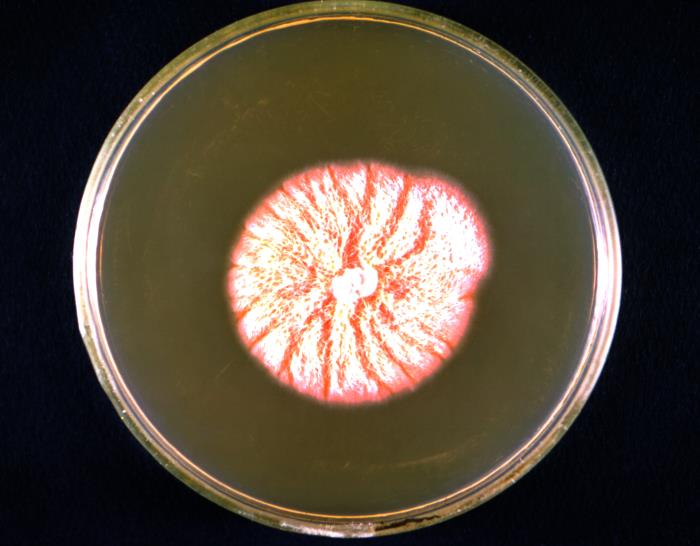
Blasto - PHIL19914I had an interesting question the other day about blastomycosis screening.

Blastomycosis is a nasty fungal disease caused by Blastomyces dermatitidis. The infectious form of this fungus (spores) lives in the environment, and dogs (and other species, including people) can develop serious disease after inhaling fungal spores (or being otherwise inoculated with spores, e.g.

twisted kittyHeadline writers have had a lot of fun over the past few years writing about toxoplasmosis and potential associations with neurological and behavioural disorders in people. Cats are the main natural host of Toxoplasma gondii, so “crazy cat lady” and other predictable headlines have ensued.

But, what is the real risk?

The answer is

While it’s unlikely that any given patient will have a rare disease, we need to remain vigilant for such conditions because they’re easy to miss. That’s just common sense – if we rarely see something, it doesn’t jump to mind when examining a patient. Babesiosis is one such disease. It’s seen commonly in some regions,

Another emerging disease we’ve been paying attention to lately is canine lungworm. Lungworm is a generic name for infection caused by one of a few different parasites that live in the respiratory tract. A variety of different lungworms can cause disease in different species, and there tends to be a lot of regional variation.

Recently,

If you’re looking to test your zoonotic disease skills (or to procrastinate….which was basically what I was doing while making this up), here’s a little crossword puzzle. (You can click on the highlighted text for a downloadable version).

The answer key will be posted next week.Zoonoses #1.


mechanical-mosquitoI’ve been getting a lot of questions about Zika virus and animals. It’s great to see that people are thinking more broadly about infectious diseases (but it isn’t doing much for my productivity this week).

To recap, Zika virus is a mosquito-borne virus related to West Nile virus and dengue virus. Most people that are