"Unintended consequences" are outcomes (usually negative) of a particular action that are unexpected. For example, in some areas, hospitals now receive decreased reimbursement for MRSA infections. This policy was meant to help encourage hospitals to reduce MRSA infection rates. However, there are concerns are that this has actually lead to decreased MRSA testing (and potentially
Coroner blames cat in owner’s death from E. coli
 The inquest was told that there were three main possible sources of E. coli: food, travel and animals. The coroner determined that the owner most likely acquired E. coli from handling the cat or cleaning its litter box.
There is no indication why this conclusion was reached, and it seems to be a rather
How did dogs get MRSA?
 A common question from owners of pets infected with methicillin-resistant Staphylococcus aureus (MRSA) is "Where did it come from?" The answer is not completely clear, but evidence strongly suggests it probably came from humans. The MRSA strains found in pets are almost always teh same as those found in people (including people that
Q Fever – From goats to people (and pets!)
A major outbreak of Q fever associated with goats has occurred in the Netherlands. Over 500 human cases have been reported since the beginning of 2008. Prior to 2007, the average number of cases per year in the country was only 15.
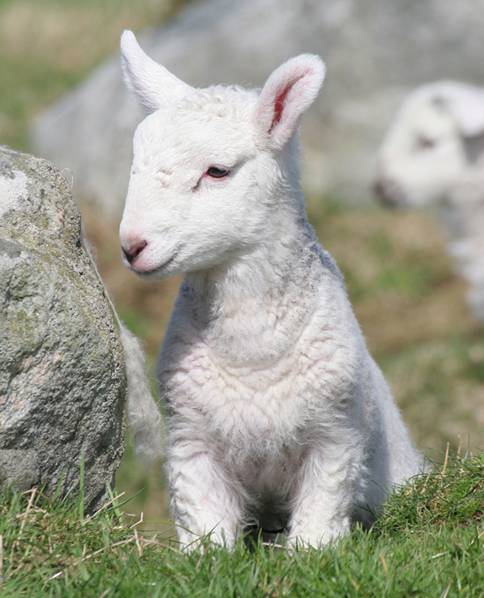
Q fever is an infection caused by the proteobacterial organism Coxiella burnetii
E. coli and dogs
Summer is prime season for E. coli infections in people, which are often associated with eating undercooked hamburgers, and less often with contact with animals at events like petting zoos. Escherichia coli is a bacterium that is very commonly found in most animals, including a large percentage of healthy individuals. Some E. coli strains
Eastern Equine Encephalitis – Not just for horses
 Over 50 horses have died from Eastern Equine Encephalitis in Florida this year. The disease, caused by a virus of the same name, affects the brain, resulting in a broad range of clinical signs from behaviour changes to blindness to irregular gait. The disease is also sometimes called “sleeping sickness” because some horses may become
Water Foul – Cryptosporidiosis
Cryptosporidiosis is a diarrheal disease caused by several species of the genus Cryptosporidium, which are single-celled parasites. The disease can cause severe diarrhea. It tends to make the news when outbreaks occur associated with contaminated drinking water, but outbreaks only account for the minority of cases reported each year. Infection can be very serious
Controversy over Crohn’s and Cows
A temporary departure from the Worms & Germs conventional companion animal theme!
 In 1894, HA Johne and L Frothingham discovered a tiny bacterium that was later found to be the cause of a disease in cattle characterized by chronic and severe weight loss and diarrhea. The condition ultimately became known as Johne’s disease, and it
Why does my cat get vaccinated more than I do?
 People often wonder why it is recommended that they have their pet vaccinated every year, but rarely get vaccinated themselves after childhood. Traditionally, dogs and cats receive a series of vaccines as puppies and kittens, and then yearly booster vaccines for the rest of their lives. However, there are concerns about rare but serious adverse
Hot spots
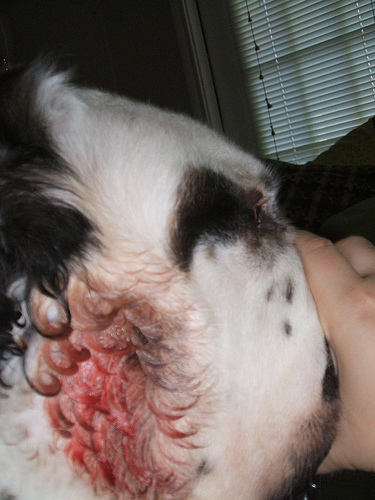 This time of year, hot spots (aka superficial pyoderma, moist pyoderma, pyotraumatic dermatitis) are a common problem in dogs. Hot spots are more common in males, and most often occur on the cheek (pictured), neck or outside of the thigh. Normal skin is covered with various bacteria but infections don’t develop because healthy, intact skin