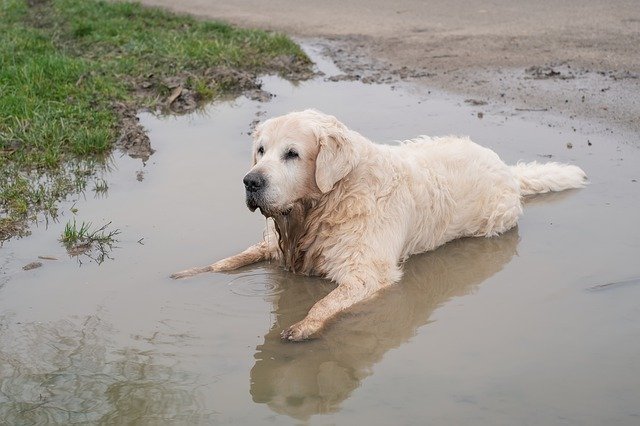
 This is probably the vaccine about which I get the most questions when it comes to delays. Leptospirosis (aka lepto) is a regionally important and potentially life-threatening infection of dogs (and people) caused by serovars of the Leptospira bacterium. It’s generally considered a non-core vaccine, meaning it’s not needed for all dogs in all areas.
COVID-19 and Overdue Dog/Cat Vaccines, Part 2: Rabies
In some ways, the approach to rabies vaccine is easy. In other ways, it’s complicated. To some degree, the medicine is easy, but other considerations (like regulatory requirements) cloud the picture.
The medicine:
Rabies vaccines are highly effective. A single initial dose provides at least 1 year of protection. The first dose is supposed
COVID-19 and Overdue Dog/Cat Vaccines, Part 1: Core Vaccines
 I’ve been dealing with questions (and some threats) about this issue for many months:
How to handle overdue vaccines because of COVID-19 delays
It’s a complex issue that’s hard to navigate because of limited data. We know how most vaccines work when used according to the label instructions. We don’t know much about what happens
Mink Vaccination Against SARS-CoV-2: Good or Bad?
 That may seem like a strange question, but bear with me and read on.
Mink are back in the news, mainly with respect to vaccination against SARS-CoV-2. Mink are very susceptible to this virus, and it’s been shown that they can transmit it back to people. Perhaps more of a concern is that several mutant
Routine Testing of Sick Pets Exposed to Owners With COVID-19: South Korea
 There’s an interesting report that pets of people with COVID-19 in Seoul, Korea (and soon other areas) will be tested for SARS-CoV-2 for free, if the pets are showing signs of compatible illness. This comes on the heels of the (unsurprising) identification of an infected kitten in the city at the end of January,
More Again on COVID-19 Scent-Detection Dogs
 I’ve written about COVID-19 scent-detection dogs before, and I’ve done a variety of interviews on the subject, but it keeps coming up.
Can scent-detection dogs help with COVID-19 control? The answer is (as with many things about the SARS-CoV-2 virus) less than clear. My current answer is… maybe… in some situations… potentially.
Let’s break it
SARS-CoV-2 Variants and Animals
 There are lots of SARS-CoV-2 variants out there. The virus changes a bit all the time. However, there’s a lot of, well, concern about a few particular “variants of concern” (VOCs).
VOCs are “OC” because they have mutations that could increase their infectivity (i.e. ability to infect people), their virulence (i.e. severity of disease they
Cats and SARS-CoV-2 Re-Infection
 We know cats are susceptible to SARS-CoV-2, and it appears that human-to-cat transmission may be pretty common in households where people have COVID-19. In the big picture, that’s probably not a huge issue, since most cats that get infected show no signs or develop only mild disease, and most infected cats have limited opportunity to
Susceptibility of Wildlife to SARS-CoV-2
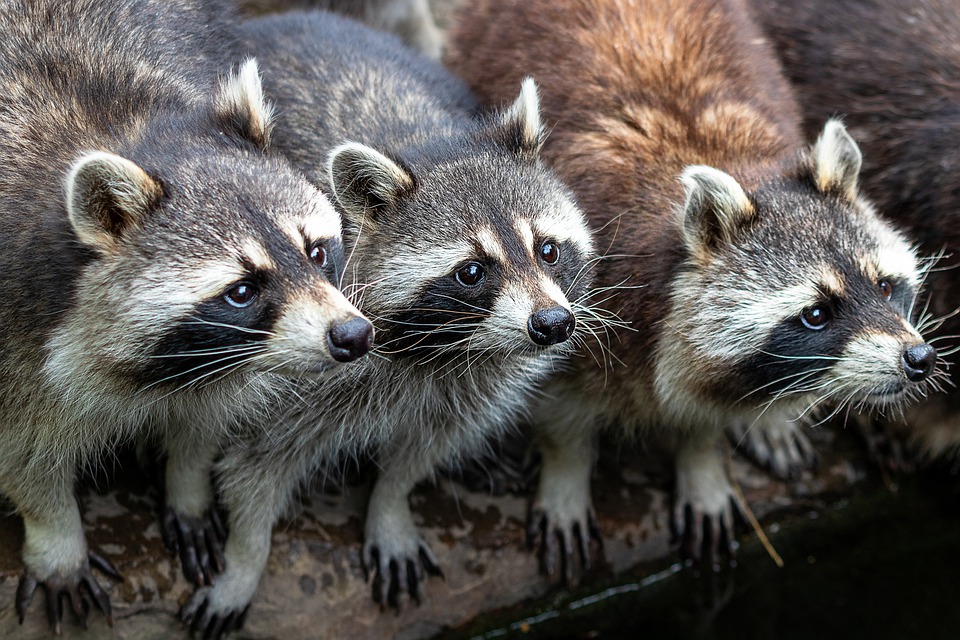 At the start of the COVID-19 pandemic, many major agencies took a head-in-the-sand approach to concerns about the potential for SARS-CoV-2 to infect different animal species. Fortunately, over the last year a considerable amount of work has been done to help figure out the range of species that are susceptible to this virus, and shed
COVID-19 in Gorillas, Toxoplasma in People
I usually link blog posts to Tweets, rather than re-hash my Twitter musings (weese_scott) on the blog, but two things I posted on Twitter today may be of interest here.
COVID-19 in captive gorillas
Not surprisingly, COVID-19 has been identified in captive gorillas, in this case at the San Diego zoo. It’s suspected that