
It’s that time of year. No, not for snow (although it is snowing here at the moment). It’s time for the annual US rabies surveillance report in the Journal of the American Veterinary Medical Association (Dyer et al. Rabies surveillance in the United States during 2013).
The highlights…
- Over 5800 rabid animals
 Today, guidance documents coordinated by the US

 Leptospirosis is a bacterial infection that’s been described as a re-emerging problem in dogs in North America. (It’s been described as that for many years now so maybe we should drop the "re-emerging" and just say it’s a problem). The causative agent, Leptospira interogans, is a widespread bug that’s carried by a variety of
  Spanish authorities have issued a statement through
 OK…time to get back to work writing. A couple weeks of conference organizing and uncountable Ebola calls are hopefully winding down, so back to the neglected blog.
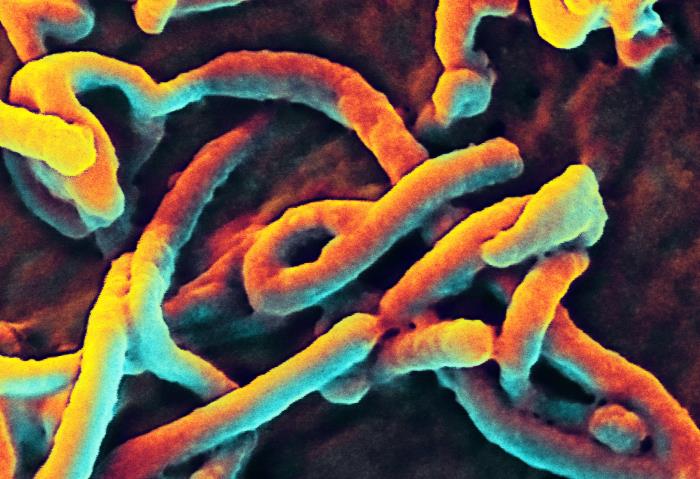
 Since I’ve spent most of my day answering questions about Ebola, here are some of the common Q&As.
 There’s prudence and then there’s "let’s kill it so we don’t have to think about it."