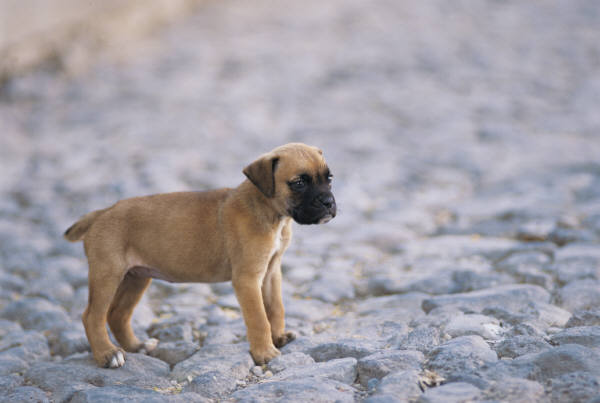
 Here’s a question that I get commonly: “What do I do to an outdoor area that might have been contaminated by a dog with parvovirus?”
There’s not a lot of research to back anything up, but understanding the virus and some basic principles helps us come up with some reasonable recommendations.
Parvovirus is…
 Well, "news" perhaps isn’t the best description since we’ve been seeing it for a while, but a paper in an upcoming edition of the
  Finally.
 “
“
 Unfortunately, Naegleria fowleri, more popularly known as the "brain-eating amoeba," is in the news again. Sadly, the latest case is a
 Issues about infectious disease risks from the pretty much totally unregulated importation of dogs continue to rise, and I’m dealing with them in one way or another almost daily at the moment. I’ll stay away from the discussion of what we are and aren’t (mostly the latter) doing in Canada, since
 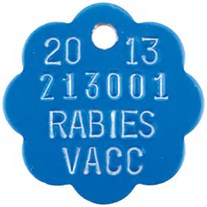 Rabies is a very serious disease. We’re very lucky in Canada that in most parts of the country the prevalence of this disease is now quite low, in large part due to wildlife control and vaccination efforts. Unfortunately that also seems to make some people quite lax when it comes to (common sense) things like
 I guess it’s not surprising but it’s sad when people are skirting the pathetically lax canine import regulations and falsifying rabies vaccination status. In the US, the CDC has issued a