
I’ve seen quite a bit of “can your dog or cat get hantavirus?” discussion in media lately, in follow up to the recent cluster of human hantavirus cases associated with a South Atlantic cruise ship. Fortunately, unlike past articles about many other emerging infectious diseases, these have mainly been pretty low key. They’ve highlighted the minimal concern about dogs and cats getting infected and even lower concern that they could infect someone else. Yay.
It is nonetheless important to note is that research on hantavirus in dogs and cats is very limited, so we need to consider “absence of evidence” vs “evidence of absence”. We don’t even know all we need to know about this hantavirus strain (Andes virus) in people; the unique nature of the cruise ship cluster shows this. Animals are much lower down the research priority pecking order.
A few studies have looked at antibodies against hantaviruses in healthy dogs and cats. Finding antibodies means the animal was likely infected at some point and fought off the infection. It doesn’t tell us whether or not they got sick, or whether they could have spread it, but it gives us a basic indication of susceptibility.
- A study of dogs and cats in Belgium (Dobly et al. 2012) identified hantavirus antibodies in 17% of cats and 5% of dogs; living in densely forested areas was associated with increased likelihood of seropositivity in cats.
- A study of cats in Alberta and Saskatchewan (Leighton et al. 2001) found antibodies against Sin Nombre virus (a different type of hantavirus) in 2.9% of animals tested.
- A study of dogs and cats in New Mexico and Arizona (Malecki et al. 1998) found antibodies against Sin Nombre virus in 2.8% of cats and 3.5% dogs.
These studies tell that a small but appreciable percentage of dogs and cats in areas where hantaviruses are present have evidence of past infection. That’s not overly surprising. They don’t tell us if they got sick or not. If illness caused by hantavirus was really common, we might figure it out based on the clinical cases popping up, but we don’t do a good job identifying rare, sporadic problems, especially in pets, because they’re not routinely tested. I’ve dealt with lots of cases of severe respiratory disease in dogs and cats, and have never tested for hantavirus (maybe we should in some regions, but finding a lab that offers a PCR test for the virus would be the first step). So I’d be wary of dismissing the possibility too quickly, but at the same time it’s not something I’m worried about.
The risk to people posed by infected animals is presumably even lower. We know that people are susceptible to hantaviruses and can get severe disease. Infected people should be more likely to transmit hantaviruses, yet that seems to be really rare, and only a concern with one type of hantavirus (the Andes virus, which was identified in the cruise ship cluster). If dogs and cats are less susceptible to infection in the first place, they likely pose even less risk of transmitting the virus.
Furthermore, we need to remember that not all hantaviruses are the same. There are actually numerous hantaviruses, each with different reservoir hosts and potential issues. We don’t have good data for all the different combinations of hantavirus types and animal species.
While lack of evidence of a problem doesn’t mean there’s no potential problem, it’s encouraging. We have known about hantaviruses for years, and domestic animals have had lots of exposure. Dogs and cats may be at higher risk of exposure than people because they are more likely to catch reservoir hosts (rodents) or root around areas contaminated with rodent urine and feces. Since we’re not seeing suspicious hantavirus cases in dogs and cats, that’s a good sign that the risks are at least low.
BUT we can’t ignore the potential risk altogether. A little common sense is useful to mitigate risks, especially when we don’t know what they are or if they exist. A lot of it is just applying the prevention messaging that is going out to people to other animals.
- Limit contact with rodents. That is easier said than done for free-roaming dogs and cats, but efforts to keep animals under control and reduce rodent exposure are useful for a bunch of reasons.
- Reduce rodent access and infestations in households.
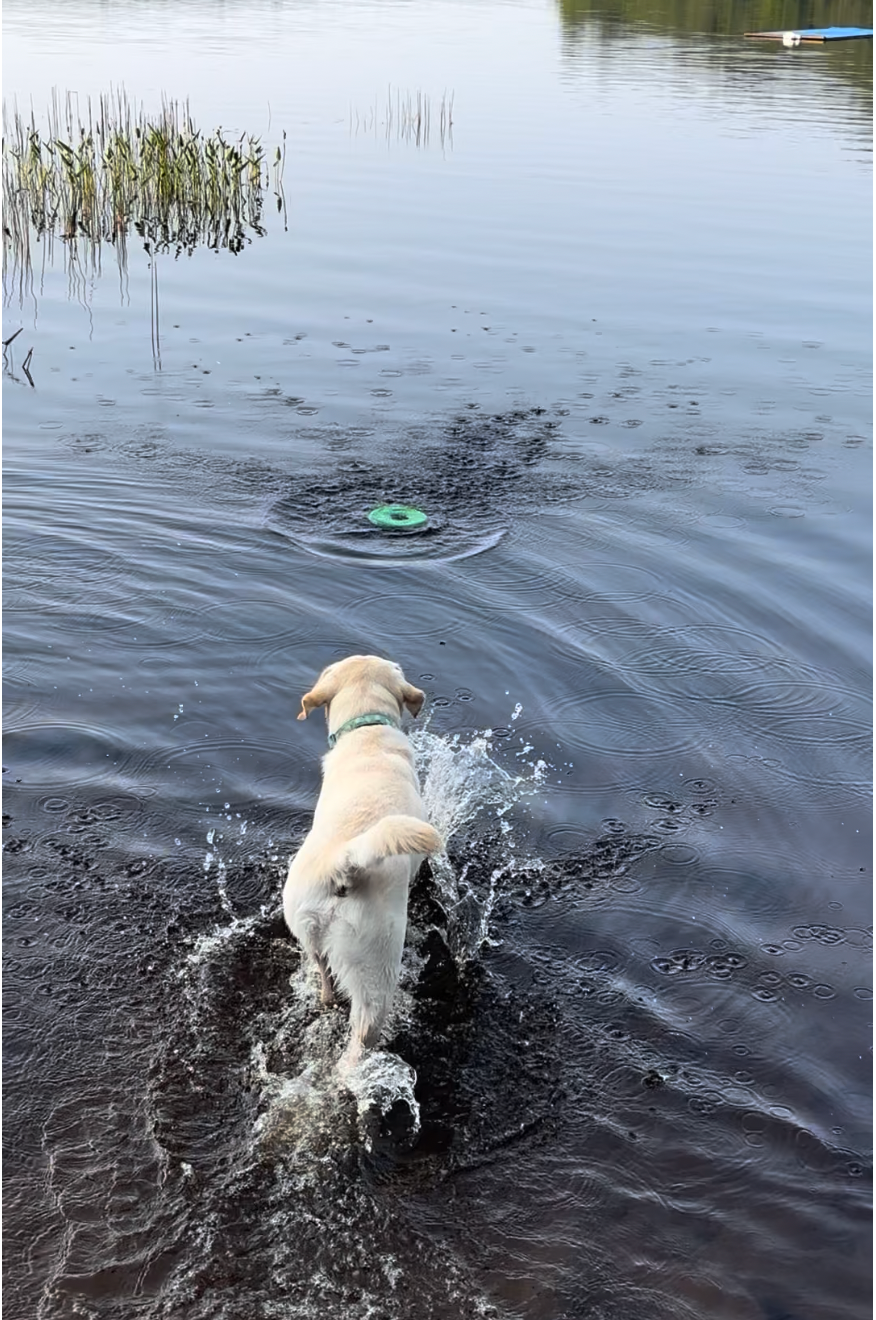
- Take care in areas potentially contaminated with rodent feces and urine. If you’re cleaning out your contaminated shed, maximize ventilation, wear gloves, mask, and eye protection, and wet down surfaces before disturbing them (e.g. sweeping). Also don’t let your dog “help” by shoving his nose in every contaminated corner (or as the case would be with my dog Ozzie, eating everything he can find).
Those are the main things I’d recommend for dogs and cats in areas where hantaviruses are present. Realistically, I’d say the same thing for any other area too, since it’s possible there is unknown hantavirus activity, and hantavirus isn’t the only infectious disease concern when it comes to rodent contact.
Don’t panic over hantavirus, especially when it comes to pets. However, we shouldn’t ignore the potential for animal and interspecies concerns. More surveillance would help determine what the issues really are.