 H5N1 influenza was recently found in two wild fox kits in St. Marys, Ontario. It’s a pretty noteworthy event given the scope of the current H5N1 highly pathogenic avian influenza (HPAI) outbreak across Canada, and the fact this is the first identification of H5N1 influenza in wild mammals in Ontario. The fox
Should We Vaccinate Animals Against SARS-CoV-2?
 Concerns about the animal aspects of the COVID-19 pandemic continue to come in waves. Most of the time they are ignored or dismissed, but there are also periodic flurries of attention and (often over-) reaction. Lately, questions about vaccination of animals against SARS-CoV-2 follow have been on the rise.
Should domestic and wild animals be
Are “Deer Strains” of SARS-CoV-2 Emerging?
One thing we’ve been watching for with SARS-CoV-2 in animals is whether we will see establishment of “animal” variants. Humans have done an effective job of infecting a wide variety of animal species with this primarily-human virus. Fortunately, thus far these infections usually die out rapidly in that animal or group of animals (mink being
Urban Wildlife and SARS-CoV-2 Variants
 As SARS-CoV-2 continues to rip through the human population, we’re getting more information about downstream impacts, including transmission to animals. One of my talking points since the start of the pandemic has been that we want to keep this virus in the human population. If we spread it to animals, it will be much harder
Acyclovir Use in Raccoons With Distemper
 In 2021, the Ontario Ministry of Northern Development, Mines, Natural Resources and Forestry (NDMNRF) contacted the University of Guelph’s Centre for Public Health and Zoonoses (CPHAZ) about concerns pertaining to the use of the antiviral drug acyclovir in raccoons, specifically for “treatment” of distemper. While only used by a distinct minority of raccoon rehabilitators (maybe
Human Rabies Deaths, US 2021
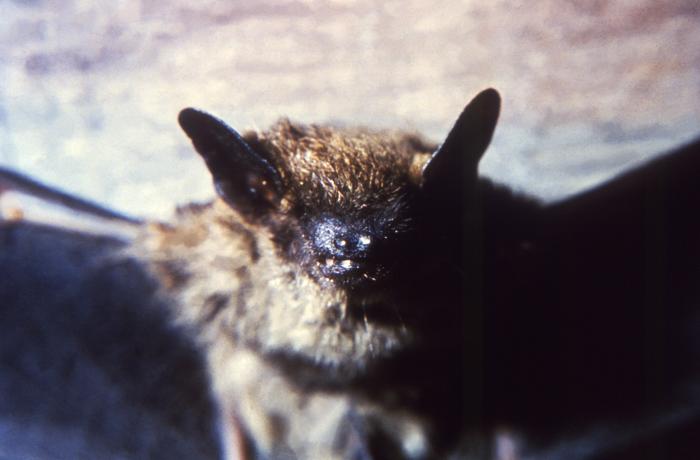 Five human deaths due to rabies were reported in the US in 2021, the highest annual case count in the last decade. Obviously, that’s still a very small number overall and pales in comparison to other infectious diseases in the US, and to rabies deaths in other parts of the world like Asia and
More About SARS-CoV-2 in Deer
 I’ve been a laggard with blog posts lately. It’s a bit crazy and it’s been easier to get things out quickly via Twitter (@weese_scott). However, one interesting topic I wanted to get back to is SARS-CoV-2 in deer. It’s caused a big stink in some areas and, like a lot of things involving
SARS-CoV-2 in Deer: USA
 I’ve meant to write more about SARS-CoV-2 in deer, and USDA’s recent announcement of infected deer made me get my butt in gear (warning: long post approaching).
What do we know about SARS-CoV-2 infection in deer?
We now have three different pieces of evidence:
- Experimental infection
- It’s been known for a while that white-tailed deer
SARS-CoV-2 Exposure in White-Tailed Deer
 Game-changing research?
Something that will be walked back in the future?
Something in between?
A press release from the US Department of Agriculture (USDA) about a study looking at antibodies against SARS-CoV-2 in white-tailed deer (and an infosheet about the same study) released today makes me wonder which of these will apply. The results
Susceptibility of Wildlife to SARS-CoV-2
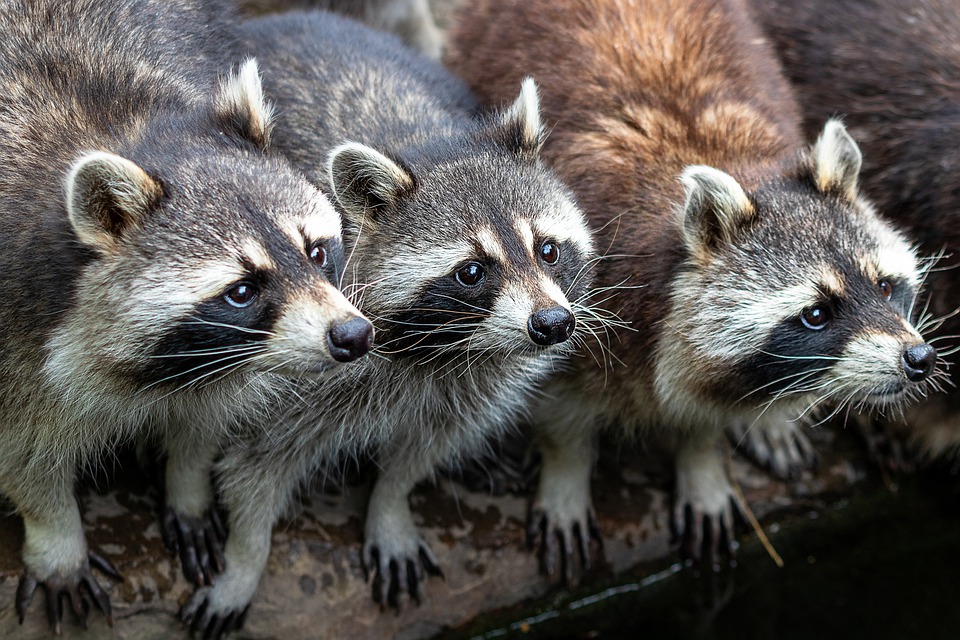 At the start of the COVID-19 pandemic, many major agencies took a head-in-the-sand approach to concerns about the potential for SARS-CoV-2 to infect different animal species. Fortunately, over the last year a considerable amount of work has been done to help figure out the range of species that are susceptible to this virus, and shed